
admin
-
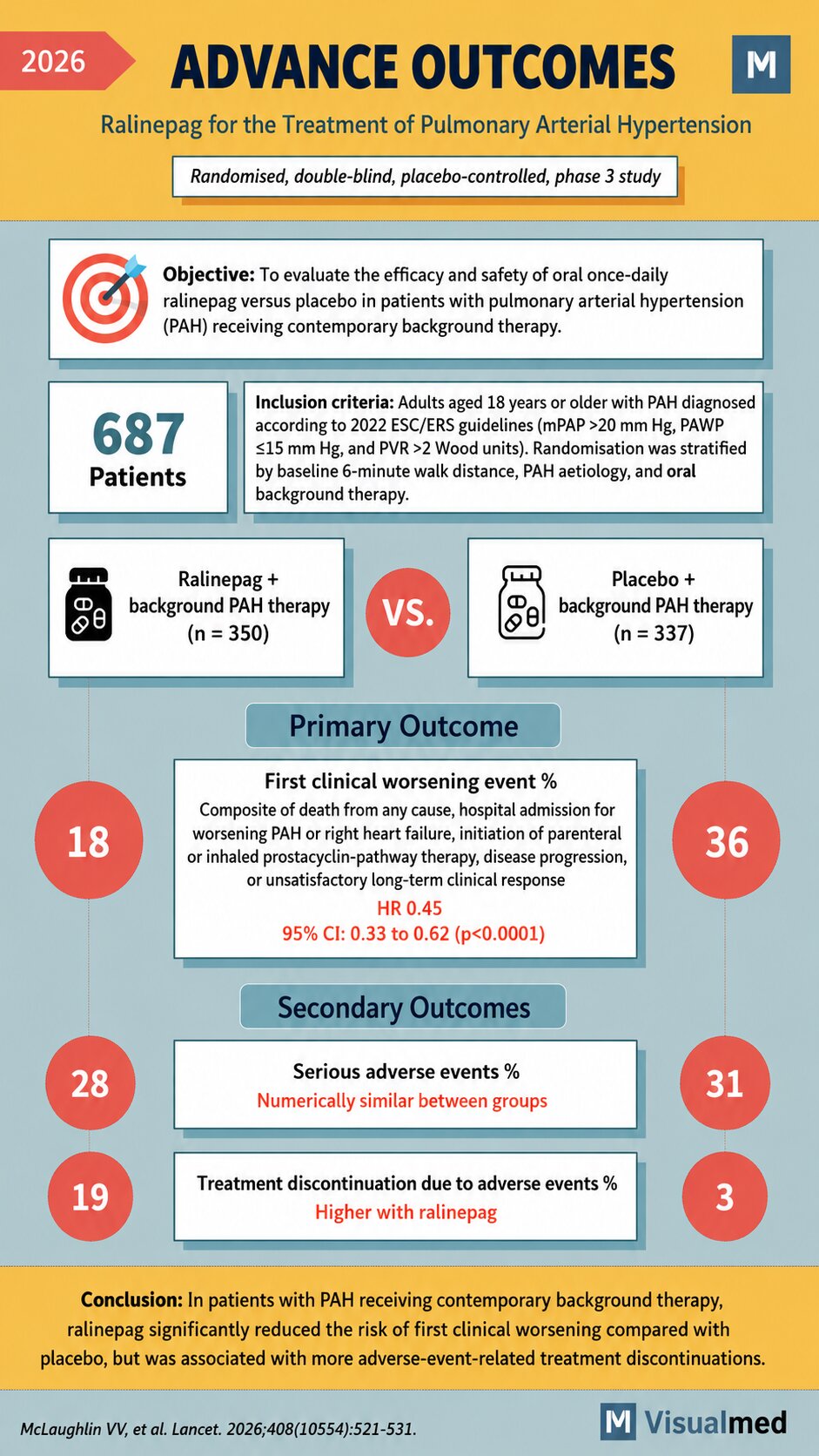
ADVANCE OUTCOMES Trial: Ralinepag Reduces Clinical Worsening in Pulmonary Arterial Hypertension
A new phase 3 trial published in The Lancet suggests that ralinepag, an oral once-daily selective prostacyclin IP receptor agonist, can substantially reduce the risk of clinical worsening in patients with pulmonary arterial hypertension (PAH) already receiving contemporary background therapy. The ADVANCE OUTCOMES trial evaluated whether adding ralinepag to existing PAH treatment could improve long-term…
-
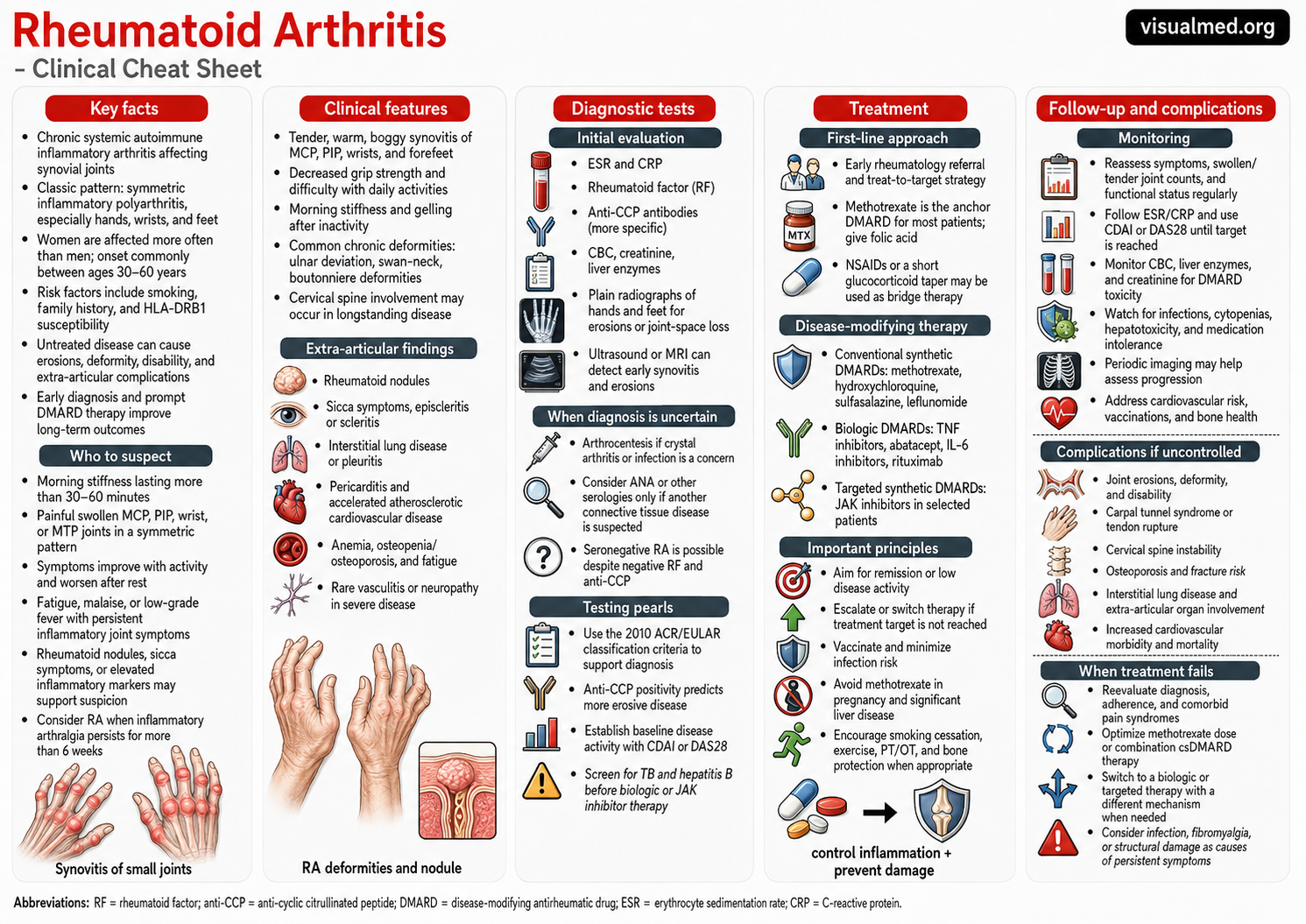
Rheumatoid Arthritis: Symptoms, Diagnosis, and Long-Term Management
Rheumatoid arthritis (RA) is a chronic autoimmune disease that primarily affects the joints but can also involve the lungs, heart, eyes, skin, and other organs. Unlike osteoarthritis, which is largely related to mechanical wear and tear, rheumatoid arthritis is driven by persistent inflammation of the synovial lining of the joints. Early recognition matters. Without treatment,…
-
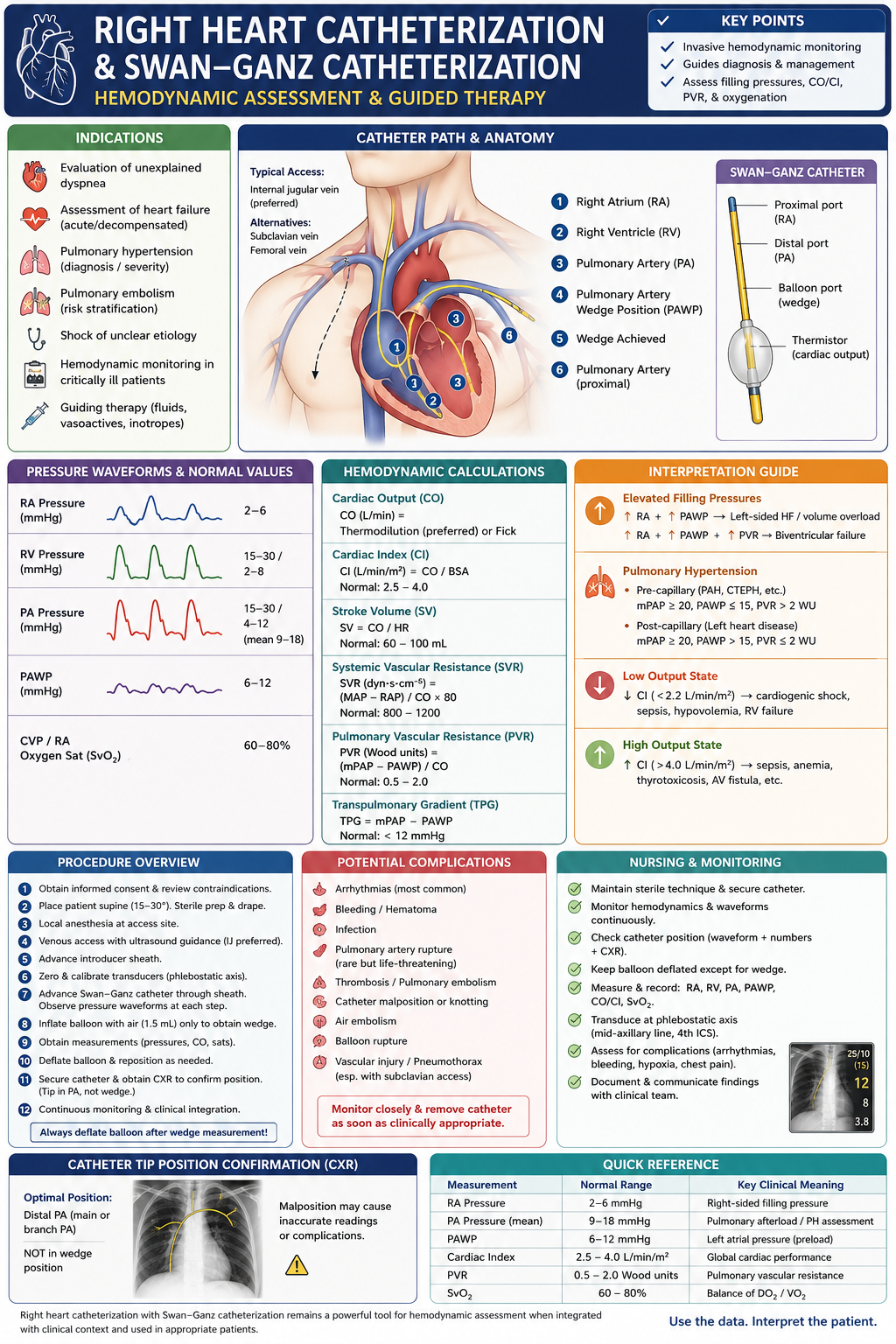
Right Heart Catheterization and Swan-Ganz Hemodynamic Assessment
A clinician-focused review of right heart catheterization and Swan-Ganz catheterization, including indications, catheter positioning, pressure waveforms, cardiac-output measurement, pulmonary hypertension classification, shock profiles, complications, and common interpretation errors. Right heart catheterization, or RHC, provides direct measurement of right-sided and pulmonary hemodynamics. It remains the reference standard for confirming pulmonary hypertension, differentiating pre- from post-capillary physiology,…
-
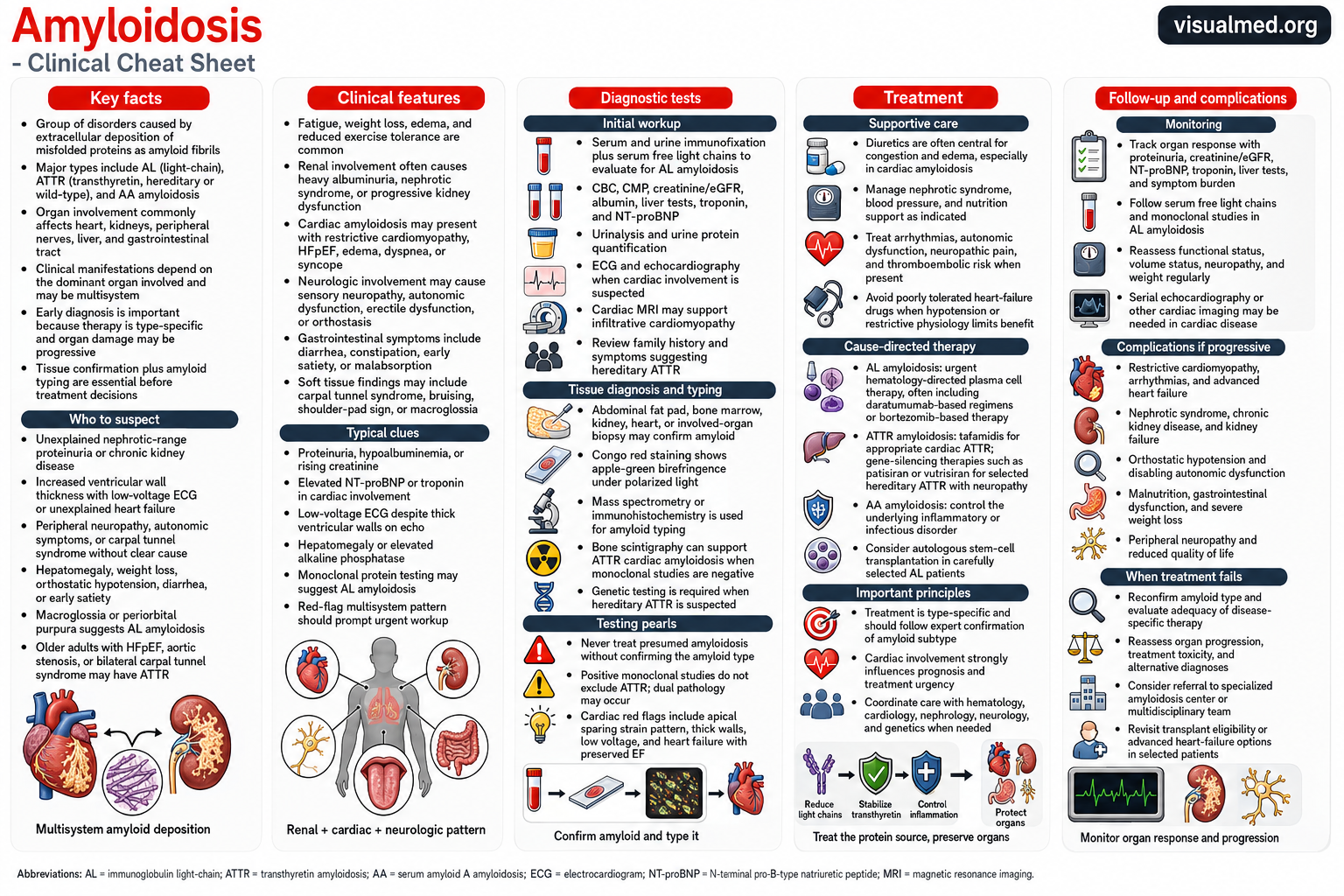
Amyloidosis: Recognition, Diagnosis, and Treatment Clinical Cheat Sheet
Amyloidosis comprises a heterogeneous group of disorders characterized by extracellular deposition of misfolded proteins as amyloid fibrils. The clinical phenotype depends on the precursor protein, the organs involved, and the extent of tissue deposition. The most important systemic forms encountered in clinical practice are immunoglobulin light-chain amyloidosis, or AL amyloidosis; transthyretin amyloidosis, or ATTR amyloidosis;…
-
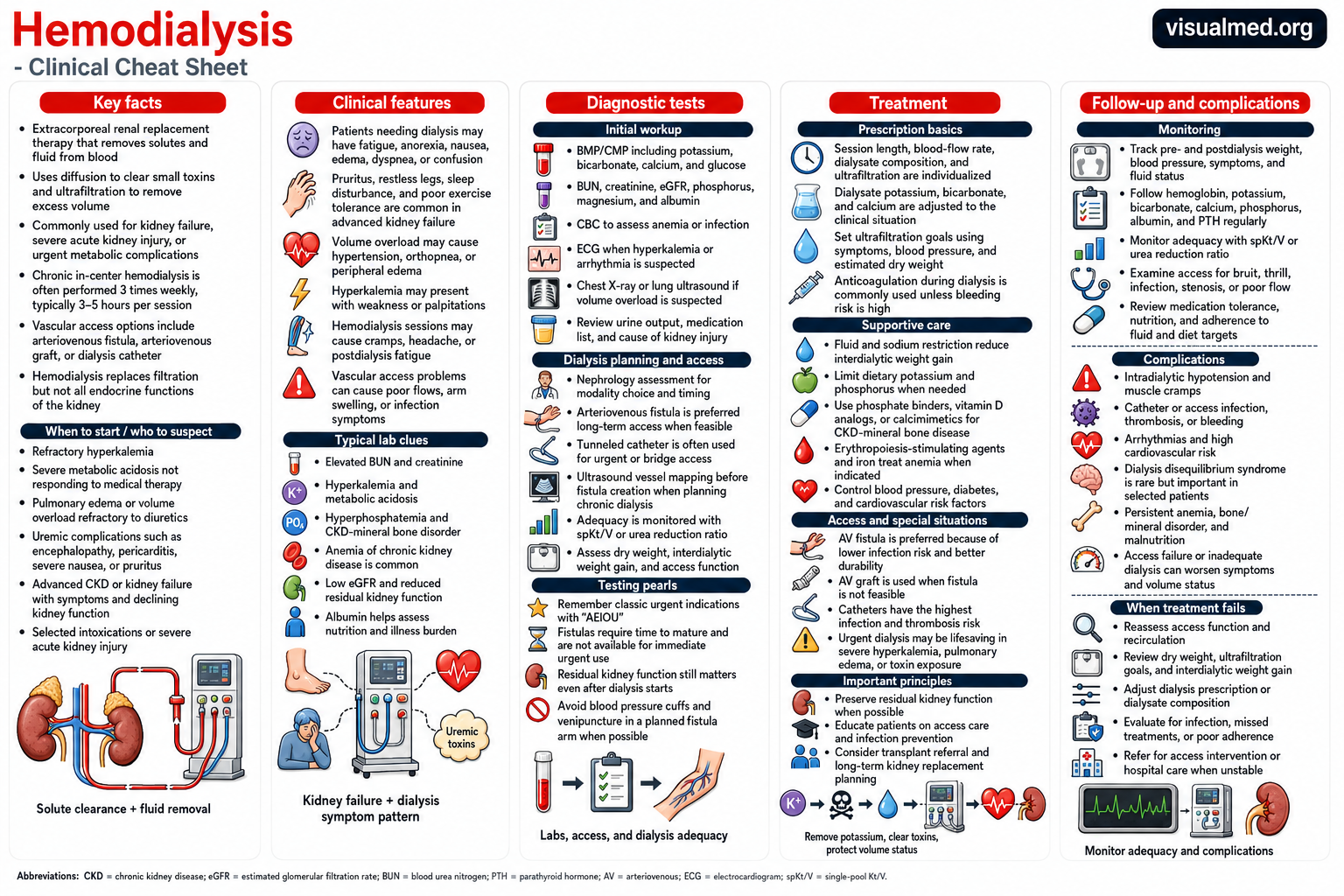
Hemodialysis: Indications, Prescription, Vascular Access, and Clinical Monitoring
Hemodialysis is an extracorporeal kidney replacement therapy that removes accumulated solutes and excess extracellular fluid while correcting selected electrolyte and acid-base abnormalities. Blood is circulated through a dialyzer containing a semipermeable membrane, across which solutes are cleared primarily by diffusion and fluid is removed by ultrafiltration. Although conventional maintenance hemodialysis is often delivered three times…
-
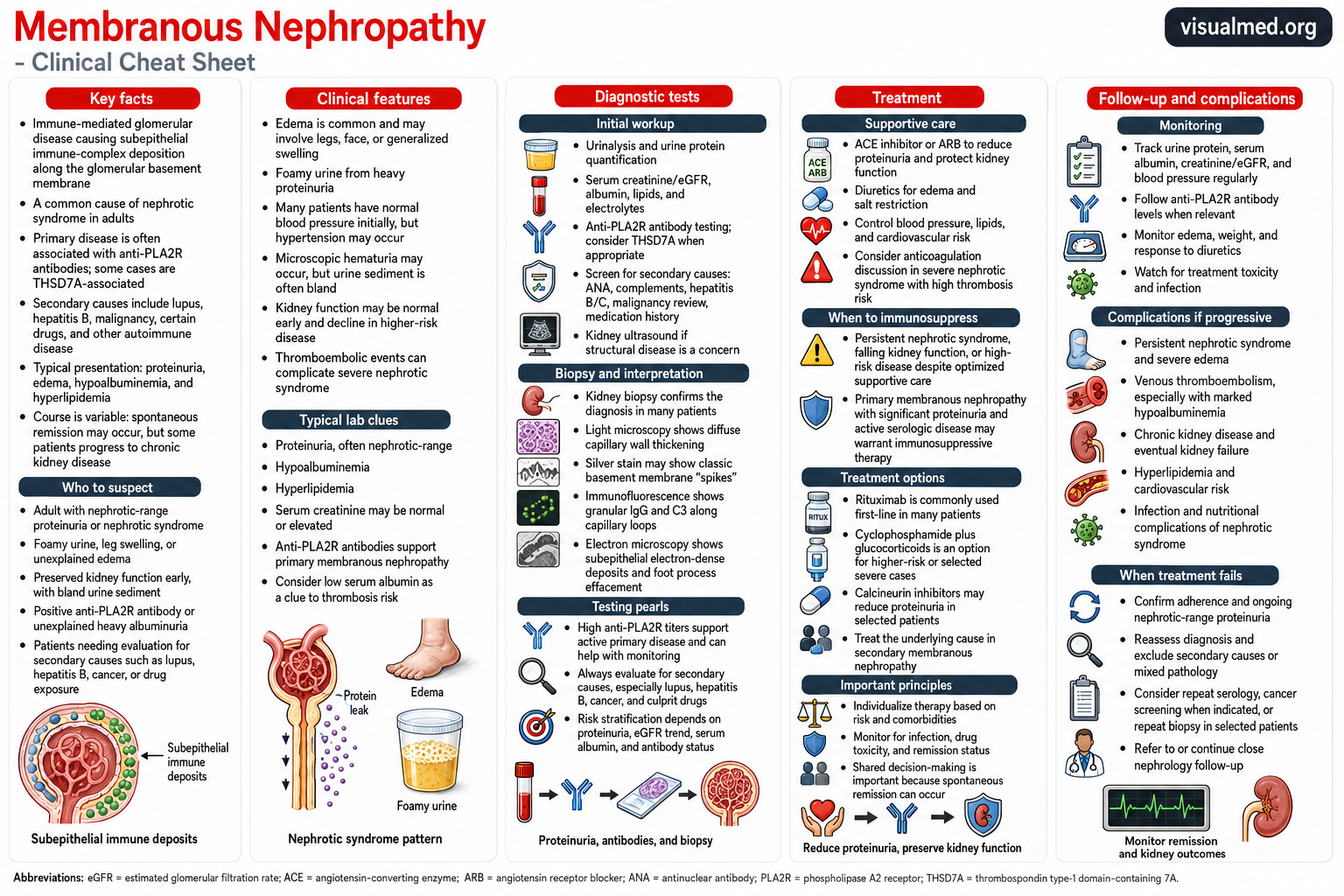
Membranous Nephropathy: Symptoms, Diagnosis, Treatment Cheat Sheet
Membranous nephropathy is an immune-mediated disease of the glomeruli—the microscopic filtering units of the kidneys. It develops when antibodies and other immune components accumulate along the outer surface of the glomerular basement membrane, damaging the filtration barrier and allowing large amounts of protein to escape into the urine. The disease is an important cause of…
-
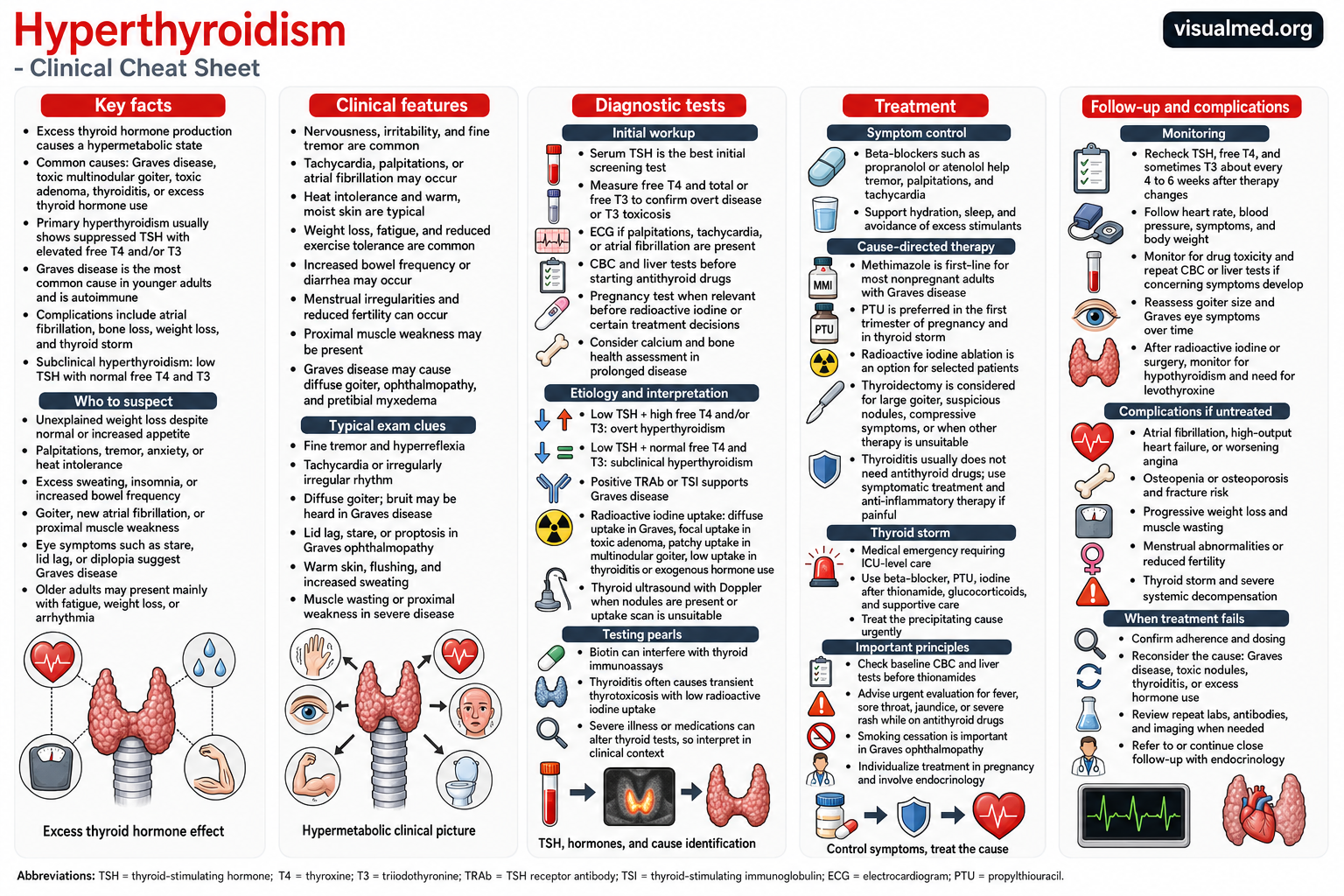
Hyperthyroidism: Symptoms, Diagnosis, Treatment, and Complications
Hyperthyroidism is a condition in which the thyroid gland produces and releases excessive amounts of thyroid hormone. Because thyroid hormones influence energy use, body temperature, heart rate, digestion, muscle function, and many other processes, excess hormone creates a widespread hypermetabolic state in which many body systems speed up. The condition is usually treatable, but untreated…
-
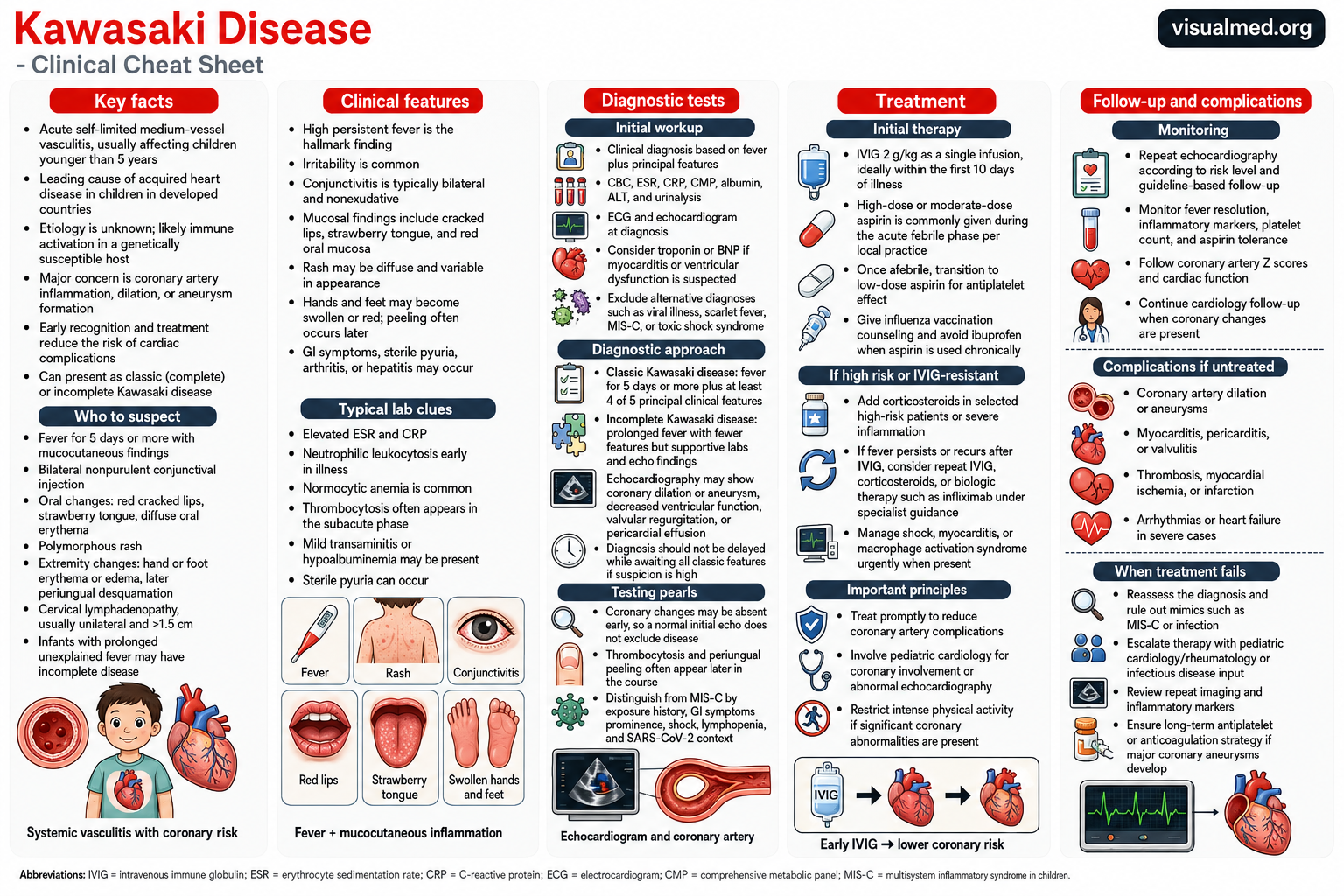
Kawasaki Disease: Clinical Features, Diagnosis, Treatment Cheat Sheet
Kawasaki disease is an acute inflammatory illness that primarily affects infants and young children. It causes inflammation of medium-sized blood vessels throughout the body, with the coronary arteries being the most clinically important vessels involved. Most cases occur in children younger than five years. Kawasaki disease is a leading cause of acquired heart disease in…
-
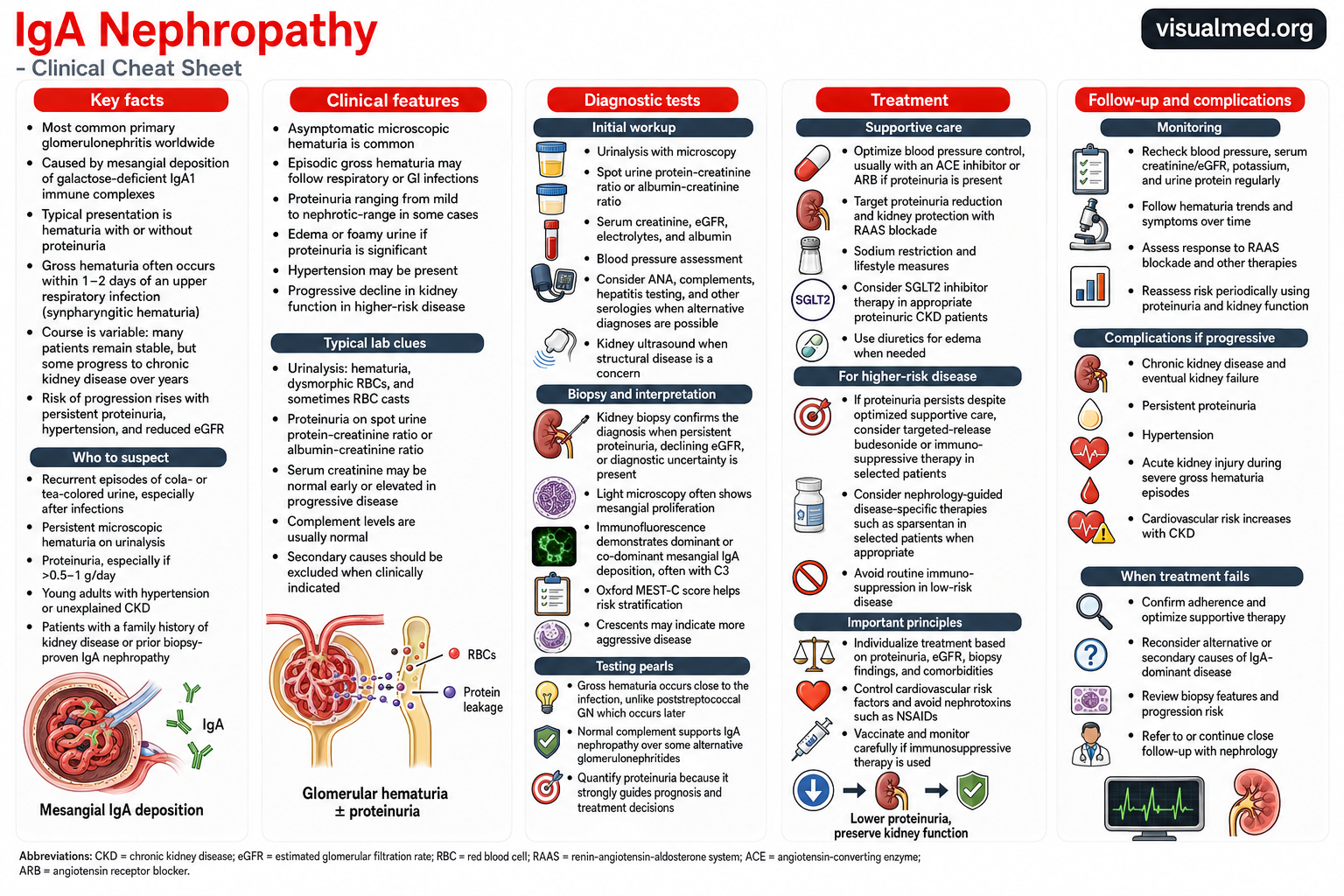
IgA Nephropathy: Clinical Features, Diagnosis, and Treatment
IgA nephropathy, also called Berger disease, is an immune-mediated glomerular disease caused by the accumulation of immunoglobulin A–containing immune complexes within the kidney’s filtering units. It is among the most common primary glomerular diseases worldwide and can range from an incidental urinary abnormality to progressive chronic kidney disease and kidney failure. Although many patients remain…