
admin
-
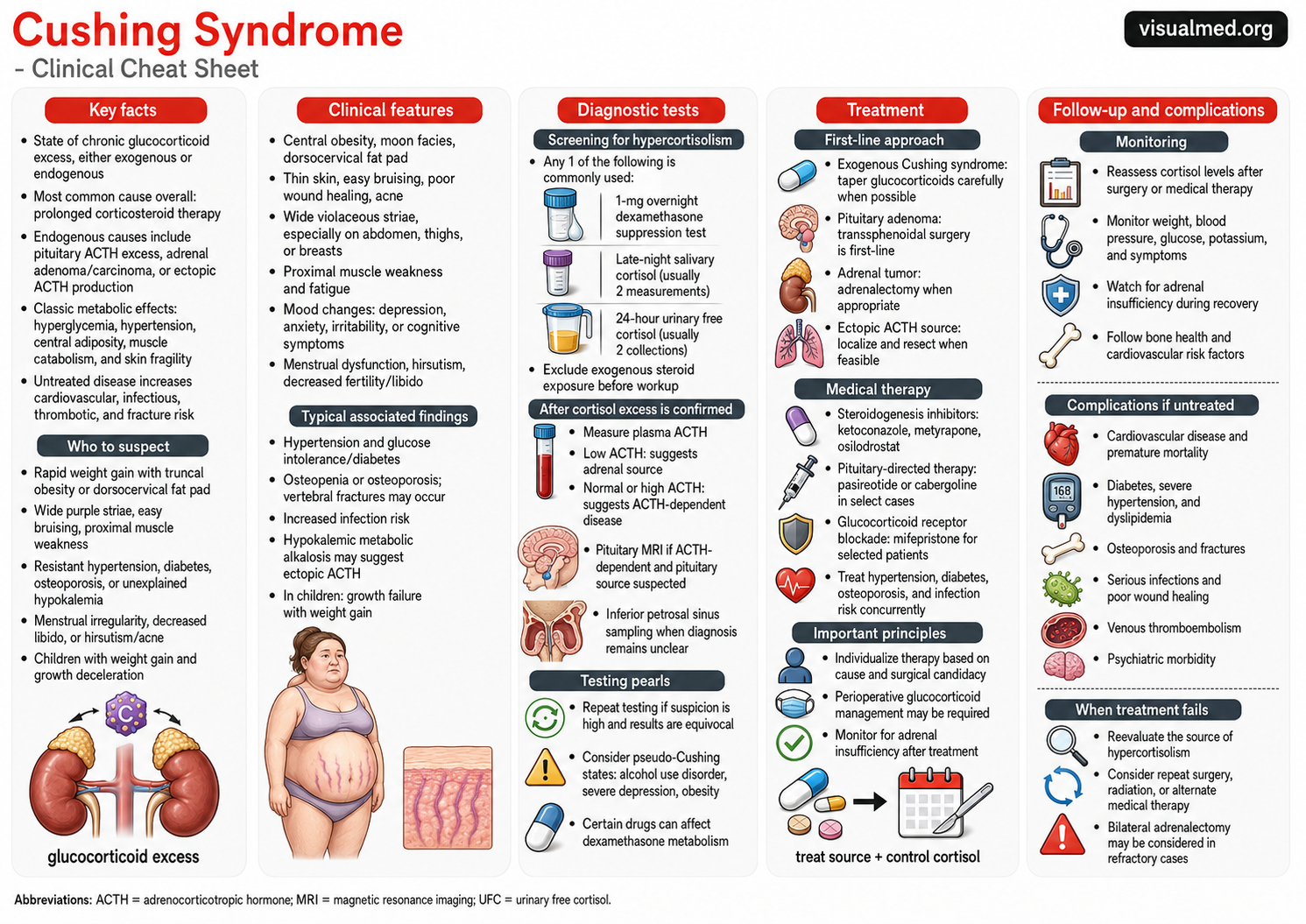
Cushing Syndrome: Clinical Cheat Sheet for Hypercortisolism
What is Cushing syndrome? Cushing syndrome is the clinical state caused by chronic exposure to excess glucocorticoids, most commonly cortisol. It can be caused by exogenous steroid use or by endogenous overproduction of cortisol from the pituitary, adrenal glands, or ectopic ACTH-secreting tumors. The most common cause overall is prolonged glucocorticoid therapy. (NIDDK) The key…
-
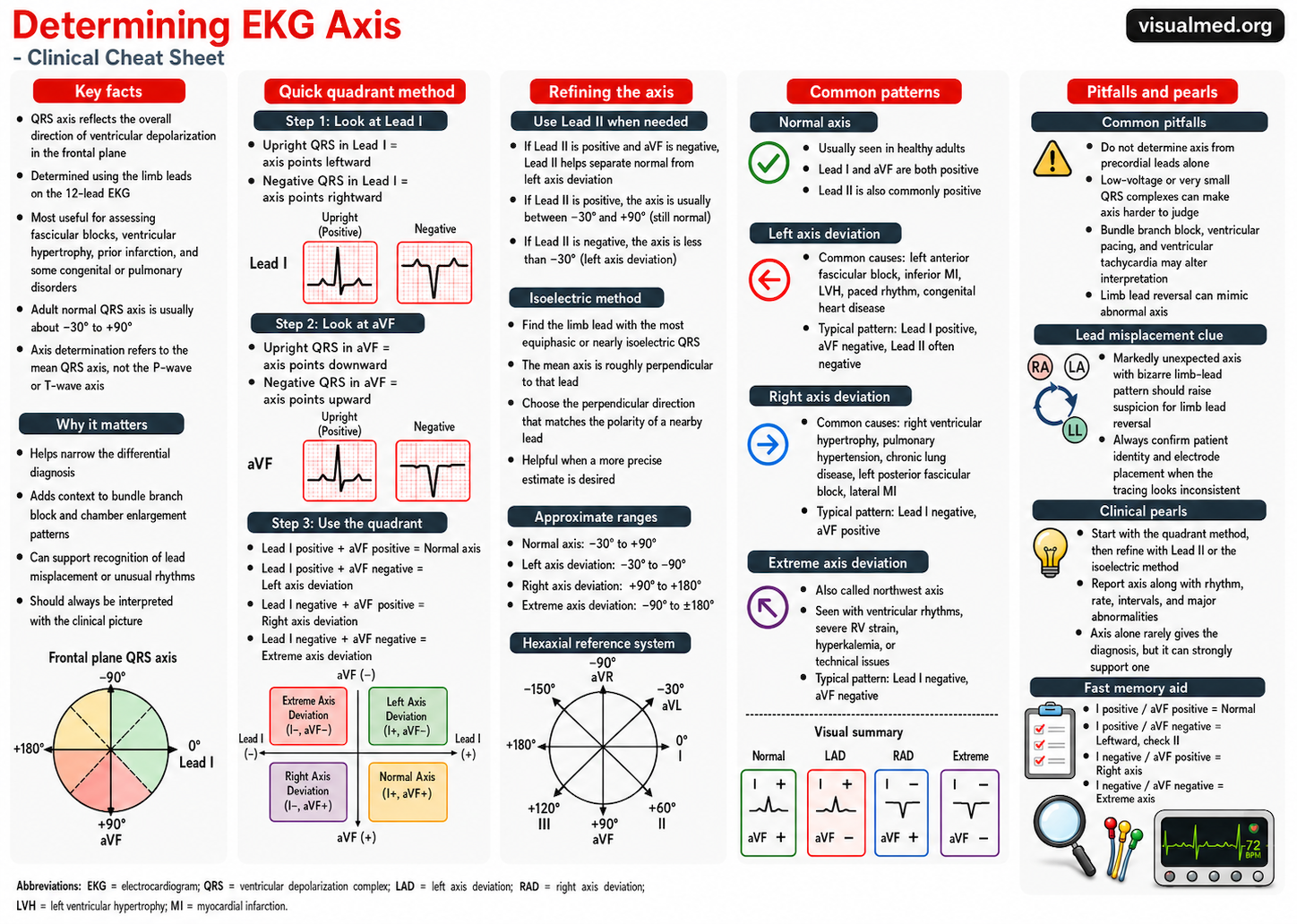
How to Determine EKG Axis: A Simple Clinical Approach
What is EKG axis? The EKG axis describes the overall direction of ventricular depolarization in the frontal plane. In practical terms, when clinicians talk about “axis,” they are usually referring to the mean QRS axis. A normal QRS axis generally points downward and to the left, because the left ventricle contributes most of the ventricular…
-
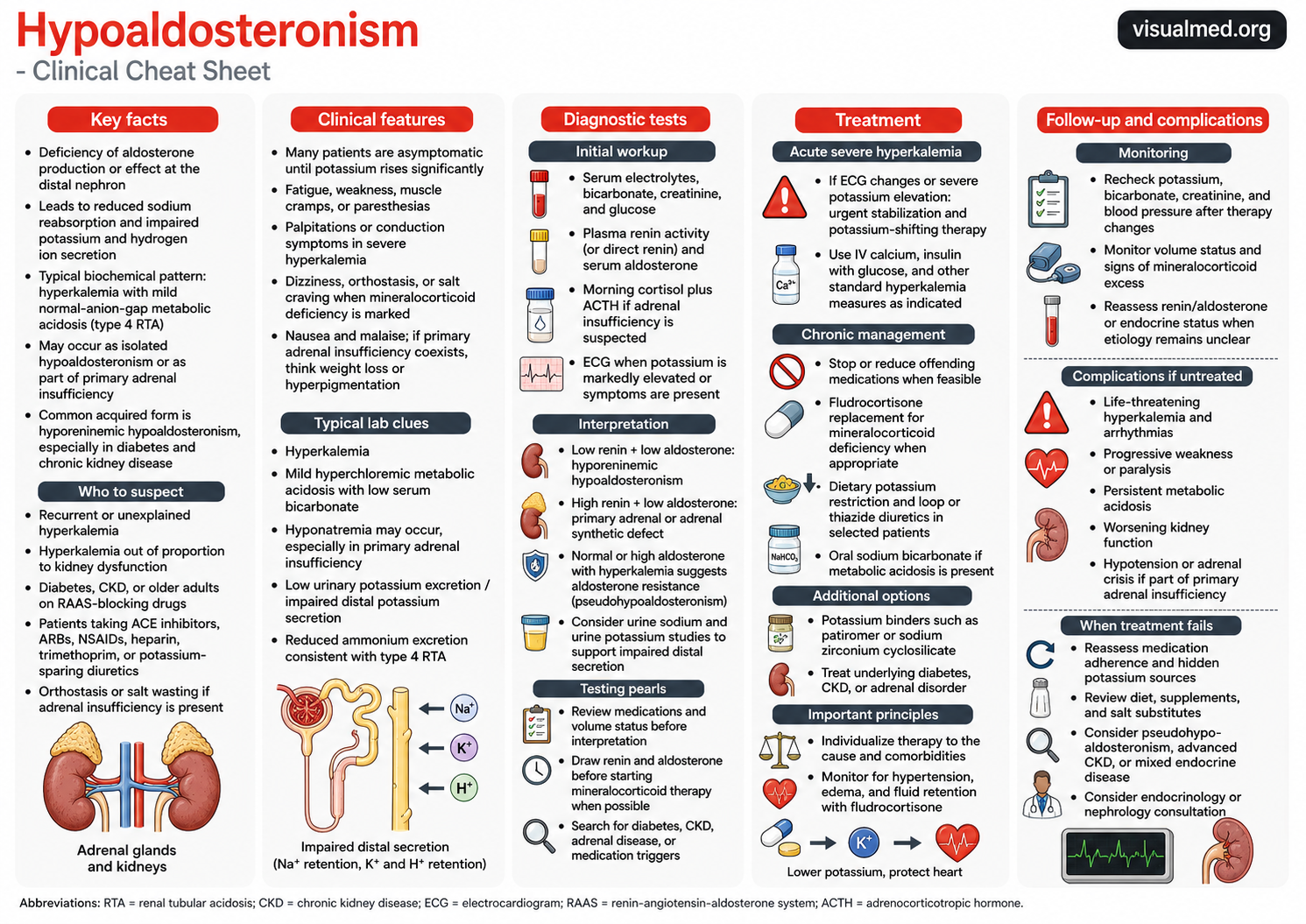
Hypoaldosteronism: Clinical Cheat Sheet
What is hypoaldosteronism? Hypoaldosteronism is a condition in which aldosterone production or aldosterone effect is reduced. Aldosterone normally acts at the distal nephron to promote sodium reabsorption and potassium and hydrogen ion secretion. When aldosterone is deficient or ineffective, patients can develop hyperkalemia and a mild normal-anion-gap metabolic acidosis, often described as type 4 renal…
-
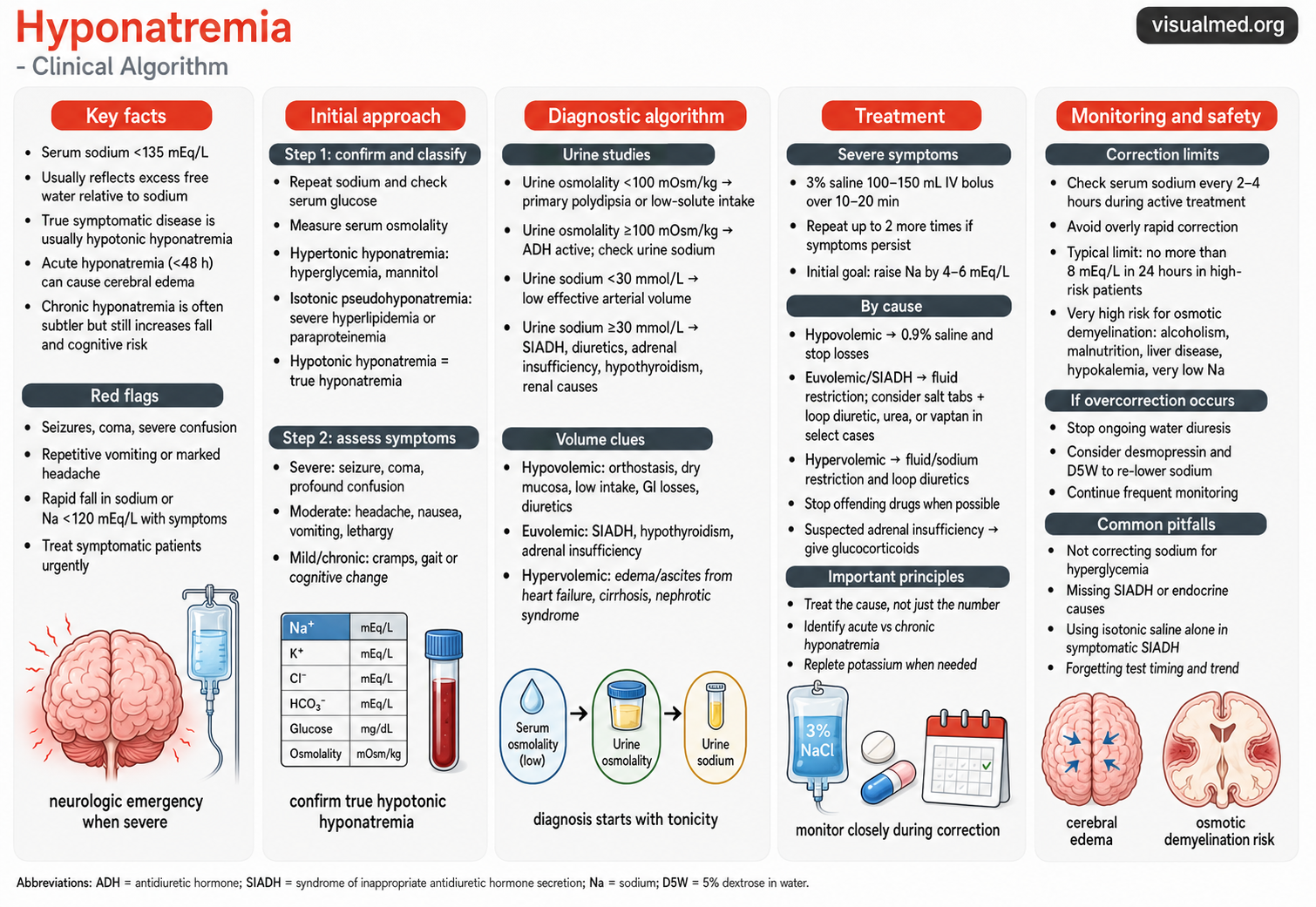
Hyponatremia: Clinical Algorithm for Diagnosis and Treatment
Hyponatremia is usually defined as a serum sodium concentration below 135 mEq/L and is one of the most common electrolyte abnormalities encountered in clinical practice. The key concept is that hyponatremia usually reflects excess water relative to sodium, not simply a “sodium deficiency.” The danger is not just the number itself, but the speed of…
-
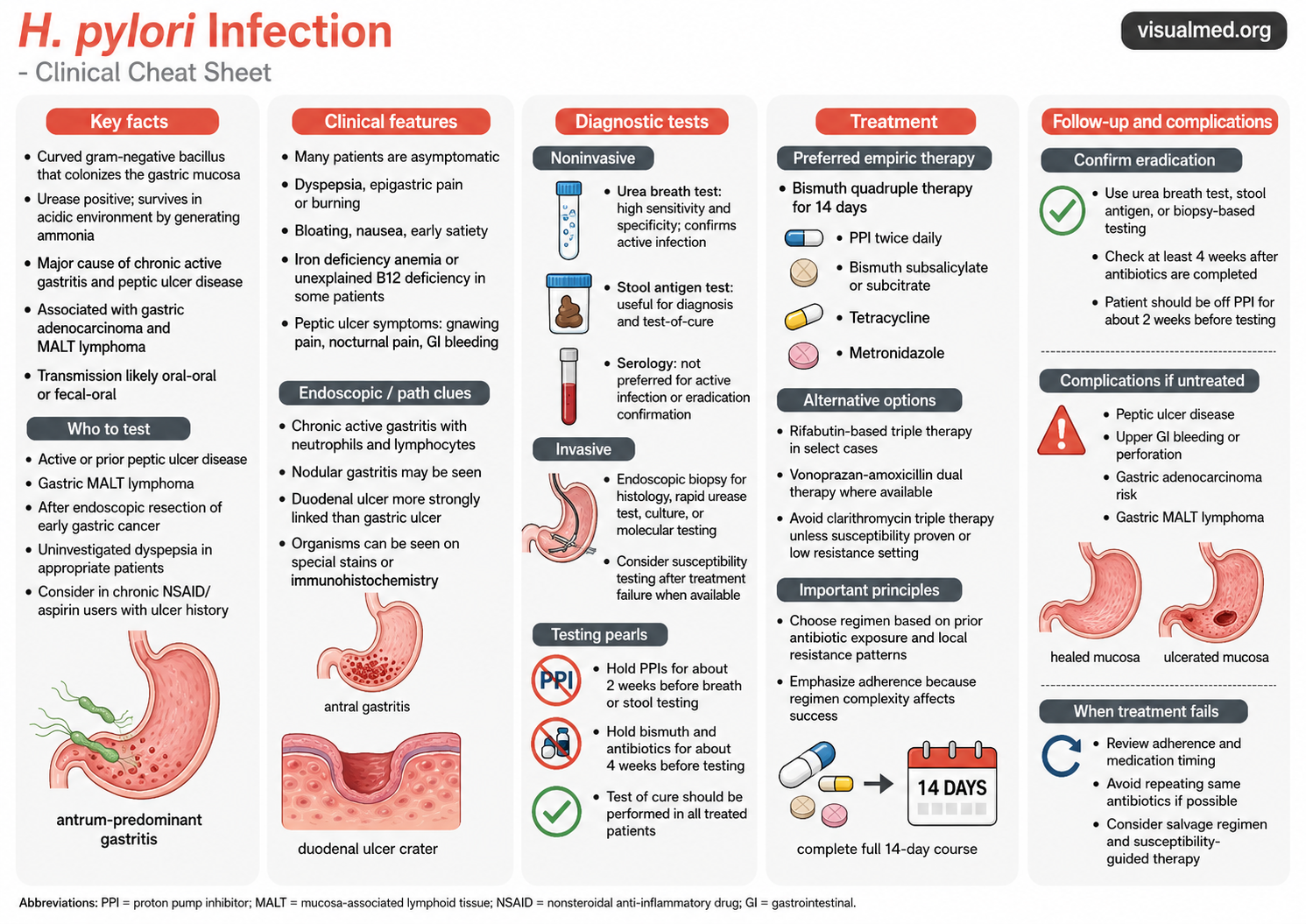
H. pylori Infection: A Clinical Cheat Sheet for Diagnosis, Treatment, and Test-of-Cure
Helicobacter pylori is one of the most important infections in gastroenterology. It commonly colonizes the gastric mucosa and may remain silent for years, but when clinically relevant, it is strongly linked with chronic active gastritis, peptic ulcer disease, upper GI bleeding, gastric adenocarcinoma, and gastric MALT lymphoma. Chronic infection can cause long-standing gastric inflammation and…
-
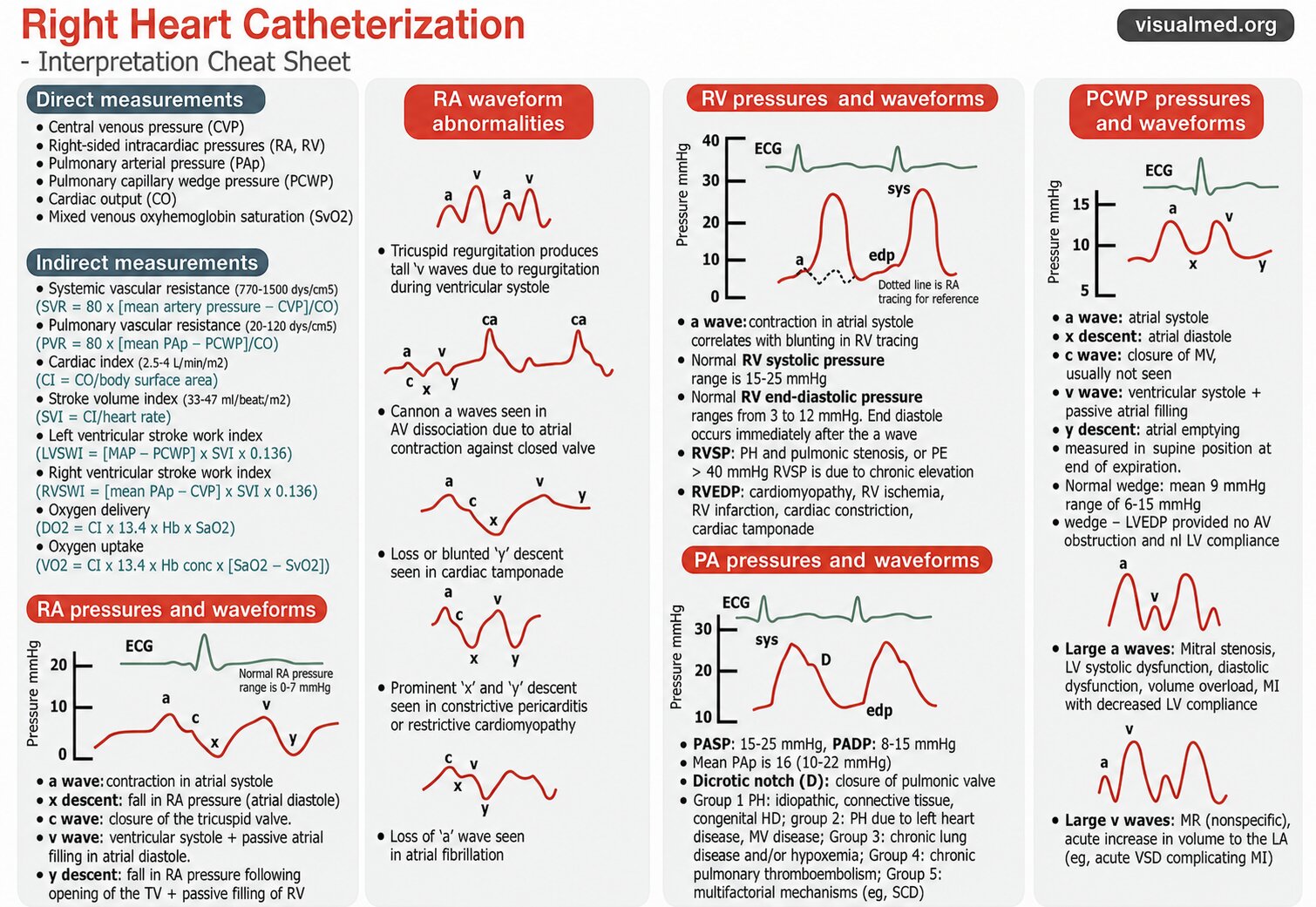
Right Heart Catheterization (RHC): Interpretation Cheat Sheet
Right heart catheterization is one of the most useful invasive tools for evaluating cardiopulmonary hemodynamics. It provides direct measurements of right-sided pressures, pulmonary artery pressures, pulmonary capillary wedge pressure, cardiac output, and oxygen saturation. When interpreted correctly, these values can help diagnose pulmonary hypertension, cardiac tamponade, constrictive physiology, valvular disease, shock states, and heart failure…
-
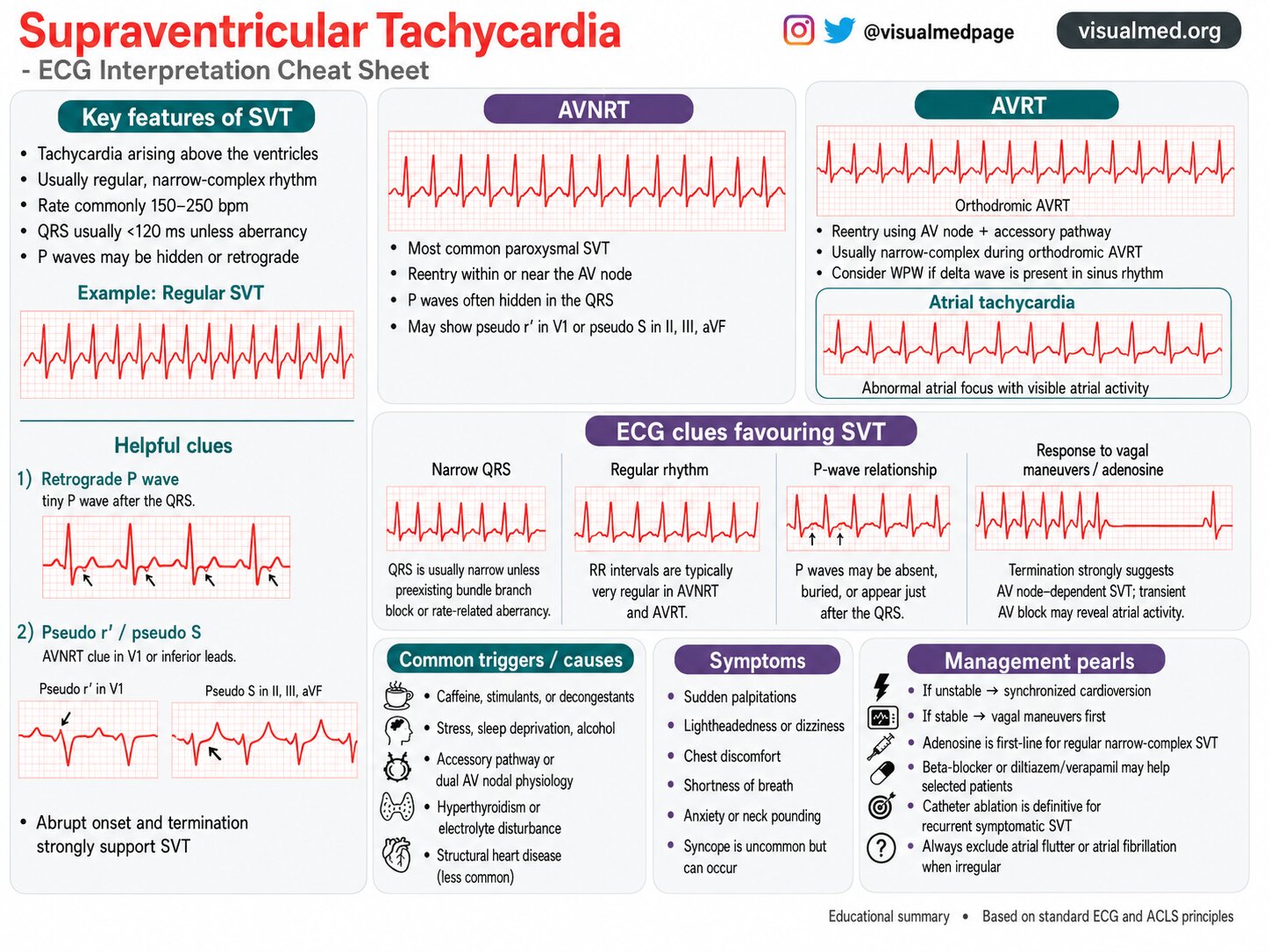
Supraventricular Tachycardia (SVT): ECG Interpretation Cheat Sheet
Supraventricular tachycardia, commonly abbreviated as SVT, refers to a group of fast heart rhythms that arise above the ventricles. These rhythms usually originate from the atria, the AV node, or an accessory pathway involving tissue outside the normal conduction system. On ECG, SVT most often appears as a regular narrow-complex tachycardia with a rapid ventricular…
-
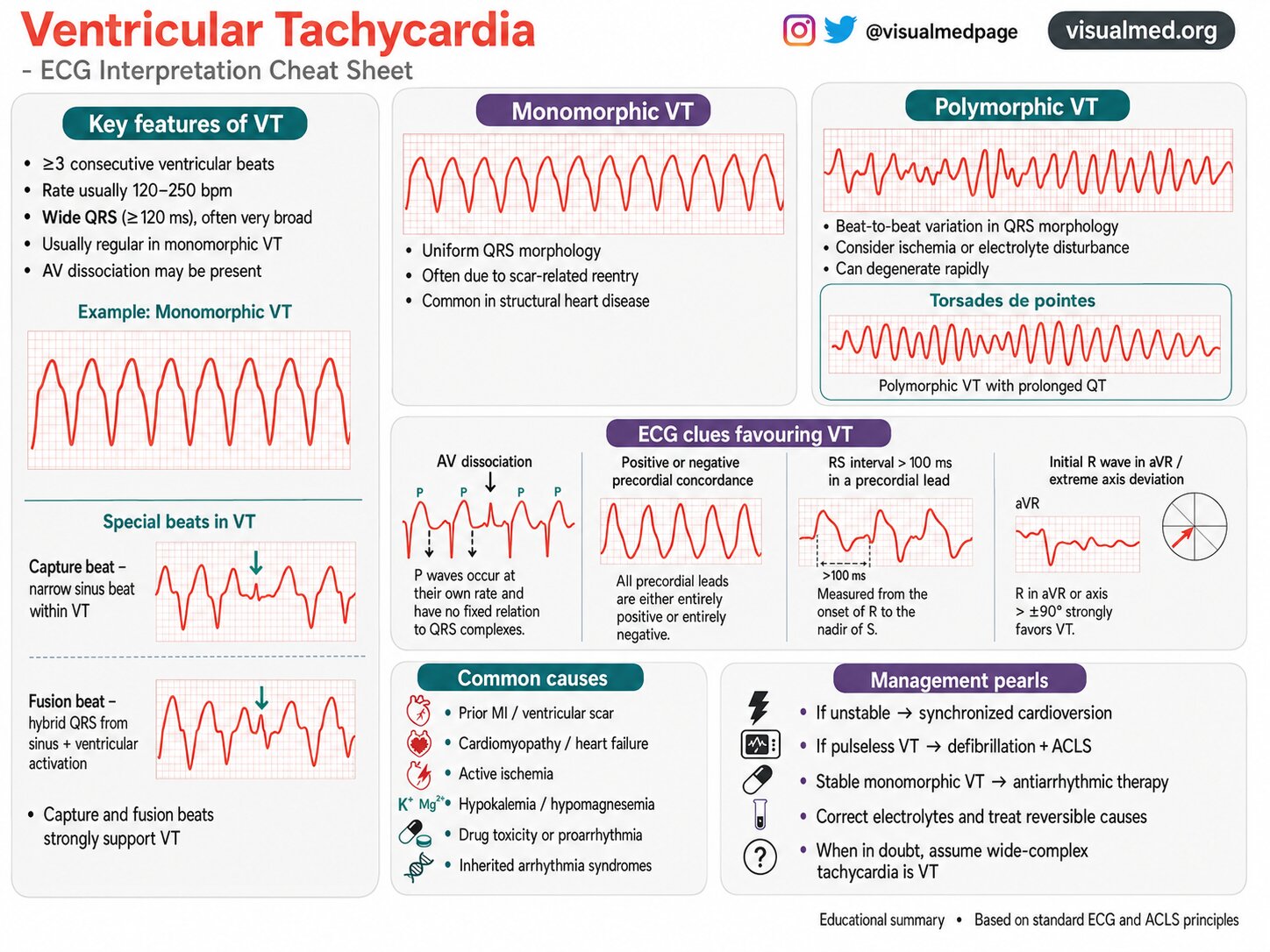
Ventricular Tachycardia: ECG Interpretation Cheat Sheet
Ventricular tachycardia (VT) is one of the most important arrhythmias to recognize on ECG. It is a potentially life-threatening rhythm that originates from the ventricles and can rapidly lead to hemodynamic collapse, cardiac arrest, or degeneration into ventricular fibrillation. Because VT often presents as a wide-complex tachycardia, prompt recognition is critical. This cheat sheet highlights…
-
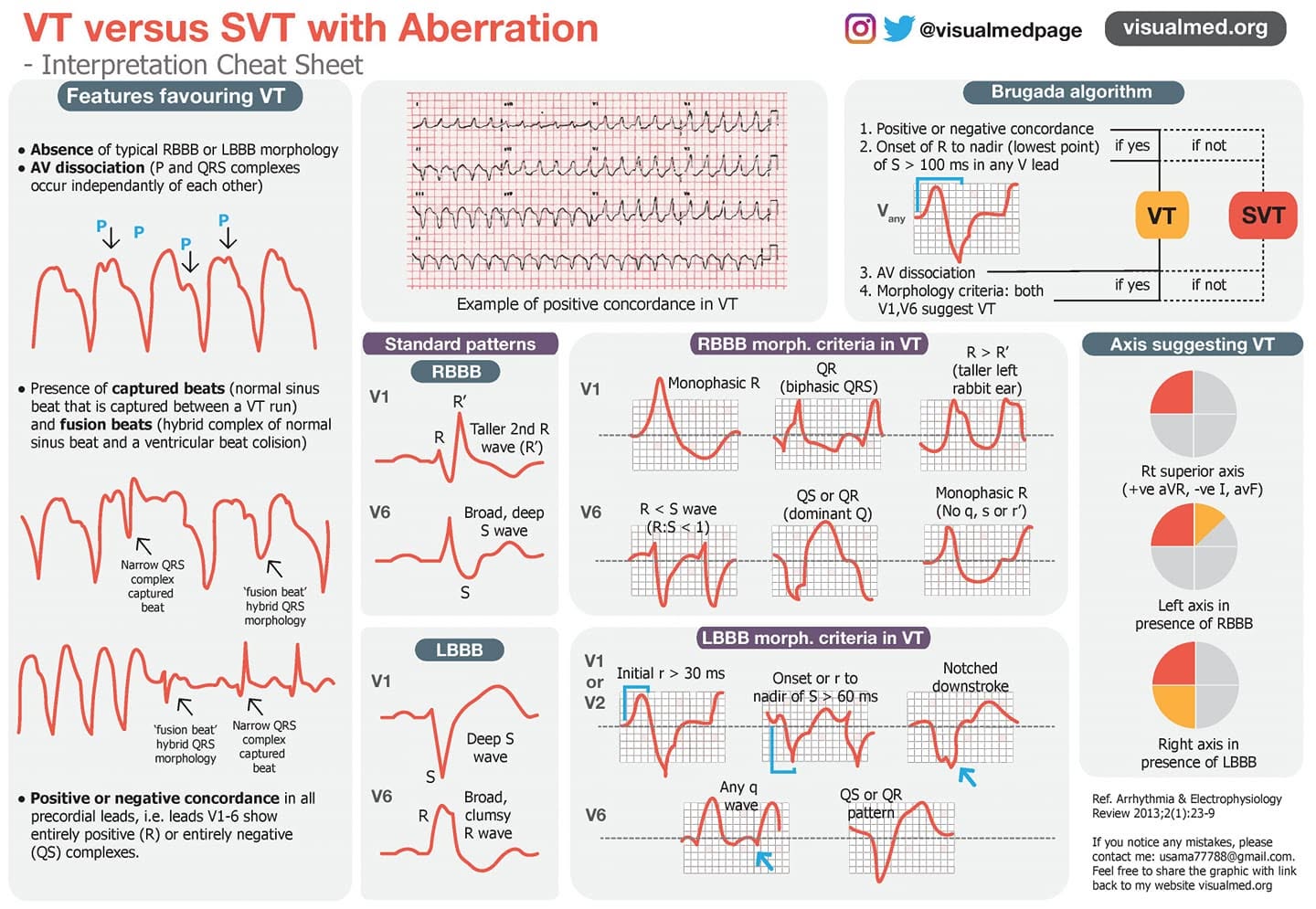
VT vs. SVT with Aberration: ECG Interpretation Cheat Sheet
Wide-complex tachycardia is one of the most important ECG patterns to recognize quickly. The key clinical question is simple: is this ventricular tachycardia, or is it supraventricular tachycardia with aberrant conduction? In practice, the safest rule is this: a regular wide-complex tachycardia should be treated as VT until proven otherwise, especially in an older patient…