
admin
-
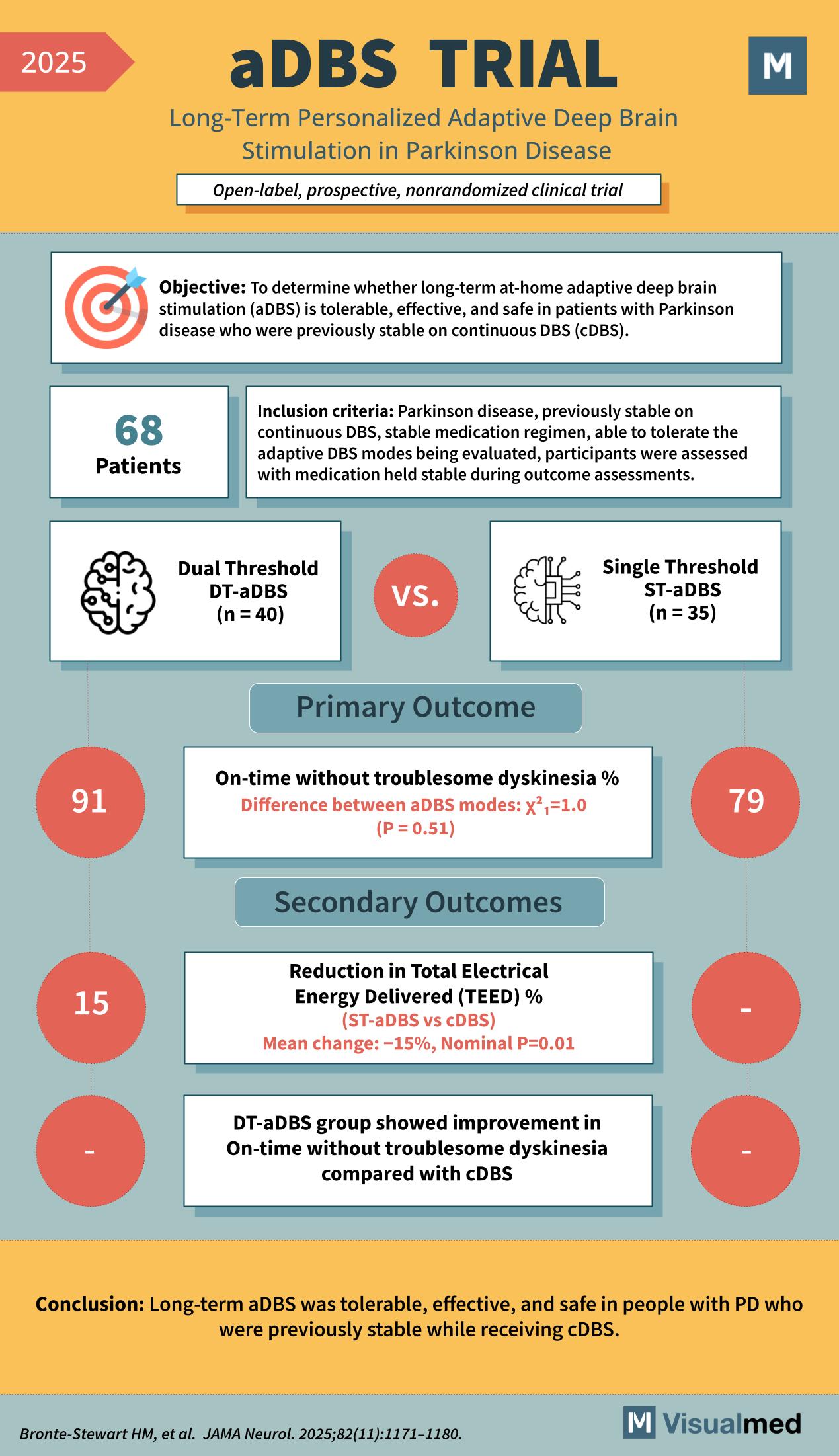
Adaptive Deep Brain Stimulation for Parkinson Disease: ADAPT-PD Trial
Deep brain stimulation (DBS) is an established therapy for patients with Parkinson disease (PD) whose symptoms are inadequately controlled with medication. Conventional DBS, however, generally delivers stimulation continuously at a fixed programmed amplitude—even though Parkinson symptoms and underlying brain activity fluctuate throughout the day. The ADAPT-PD trial, published in JAMA Neurology in 2025, evaluated whether…
-
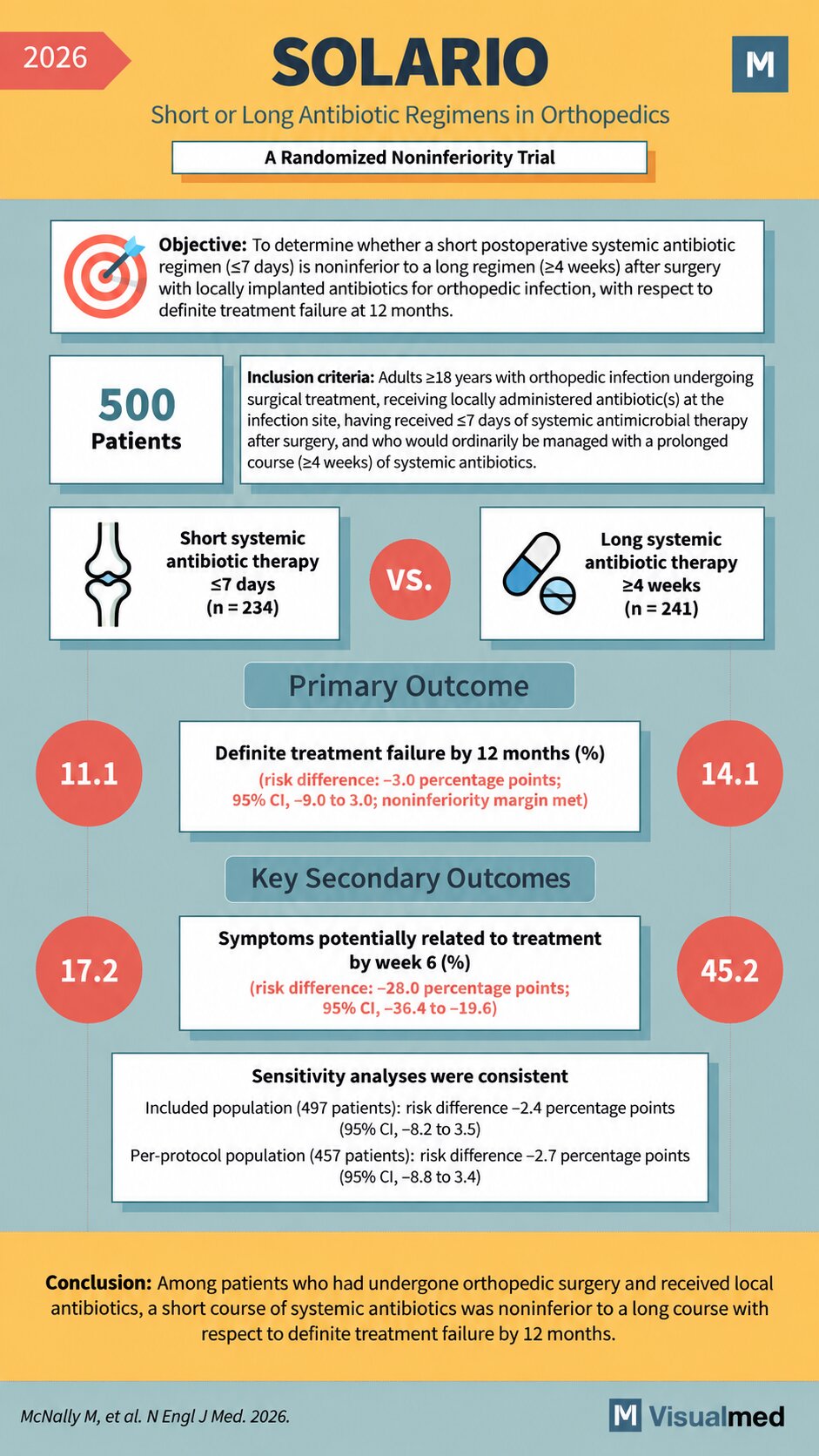
SOLARIO Trial: Short-Course Antibiotics Are Noninferior After Surgery for Orthopedic Infection
The SOLARIO trial, published in the New England Journal of Medicine in 2026, challenges the traditional practice of prolonged systemic antibiotic therapy after surgery for orthopedic infection. In this randomized noninferiority trial, investigators examined whether patients who received locally implanted antibiotics during surgery could safely receive a much shorter course of postoperative systemic antibiotics. The…
-
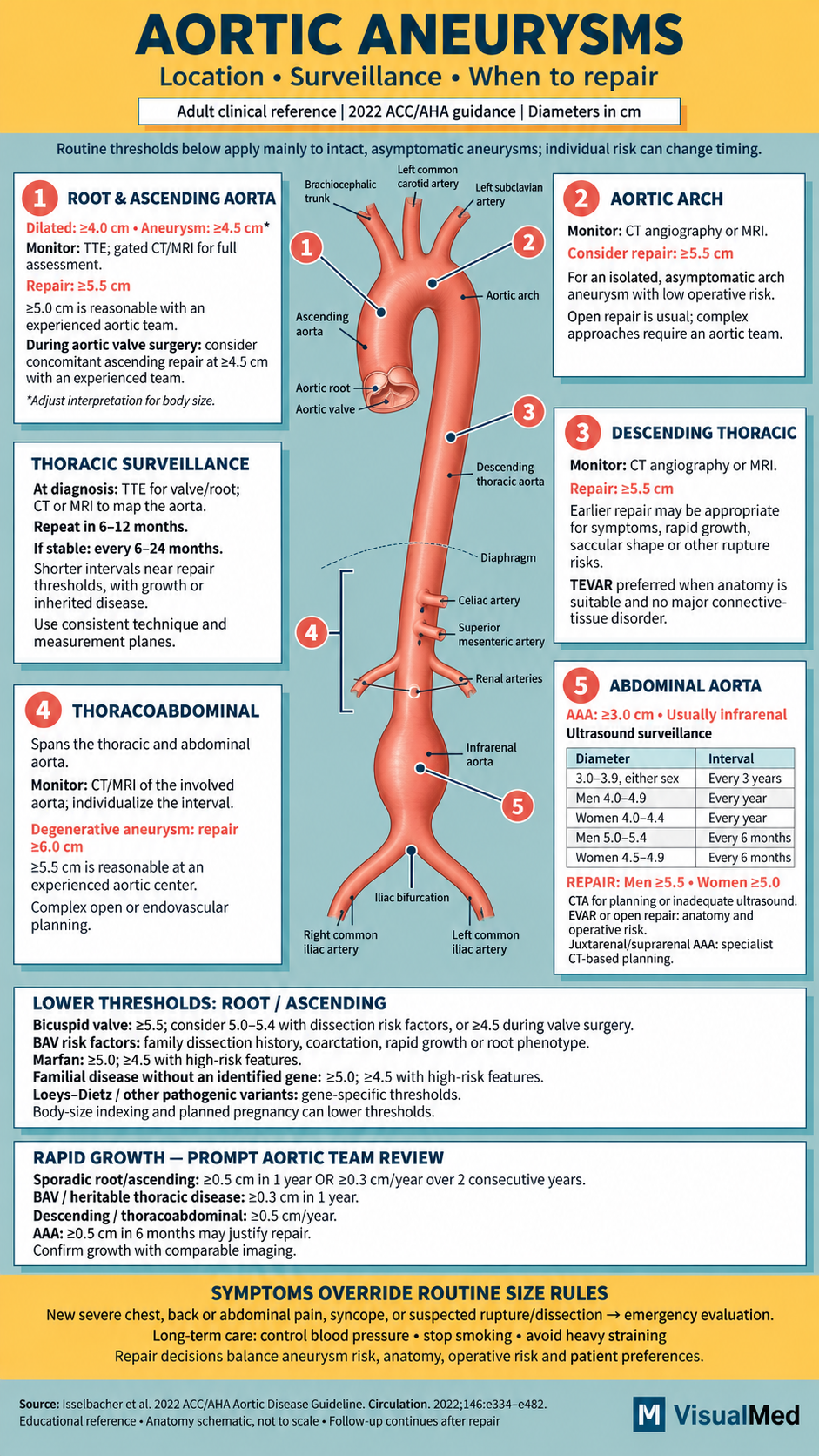
Aortic Aneurysms: Locations, Surveillance, and When to Repair
An aortic aneurysm is an abnormal enlargement of the body’s main artery. Many aneurysms develop without symptoms, making imaging essential for detecting them and monitoring their growth. The goal is to identify patients who need repair before a life-threatening rupture or dissection occurs. Management depends on more than size alone. Location, growth rate, symptoms, valve…
-
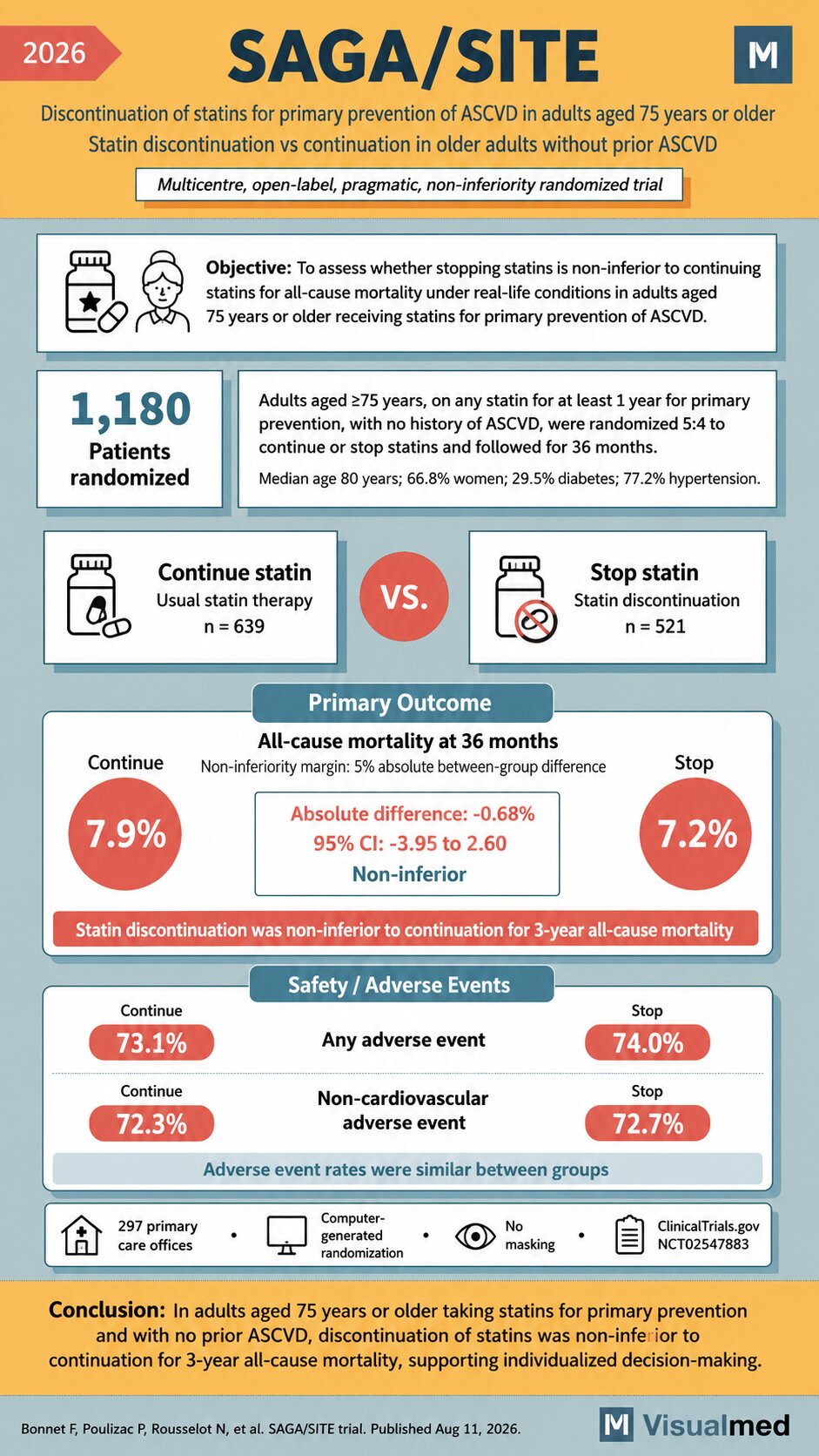
SAGA/SITE Trial: Can Statins Be Safely Stopped After Age 75 for Primary Prevention?
Whether statins should be continued indefinitely in older adults without established cardiovascular disease remains one of the more uncertain areas of preventive cardiology. Randomized statin trials have demonstrated clear cardiovascular benefit in many populations, but adults older than 75 years—particularly those receiving statins exclusively for primary prevention—have historically been underrepresented. The SAGA/SITE trial, published in…
-
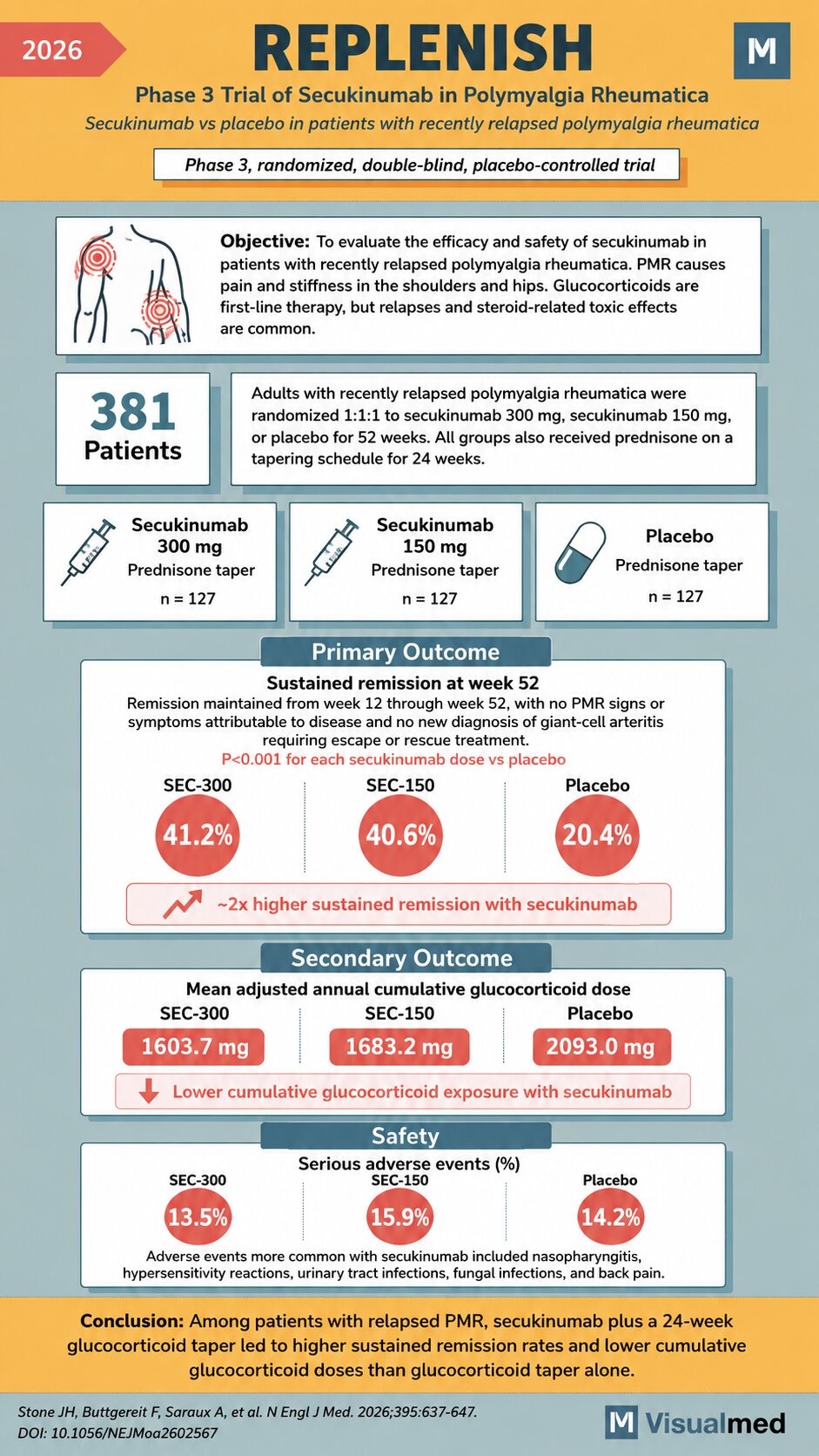
REPLENISH Trial: Secukinumab Doubles Sustained Remission in Relapsed PMR
Glucocorticoids remain the cornerstone of treatment for polymyalgia rheumatica, but recurrent disease and long-term steroid toxicity remain major clinical problems. The REPLENISH trial, published in the New England Journal of Medicine in 2026, evaluated whether targeting interleukin-17A with secukinumab could improve sustained remission while reducing glucocorticoid exposure. The trial showed a substantial benefit: approximately 41%…
-
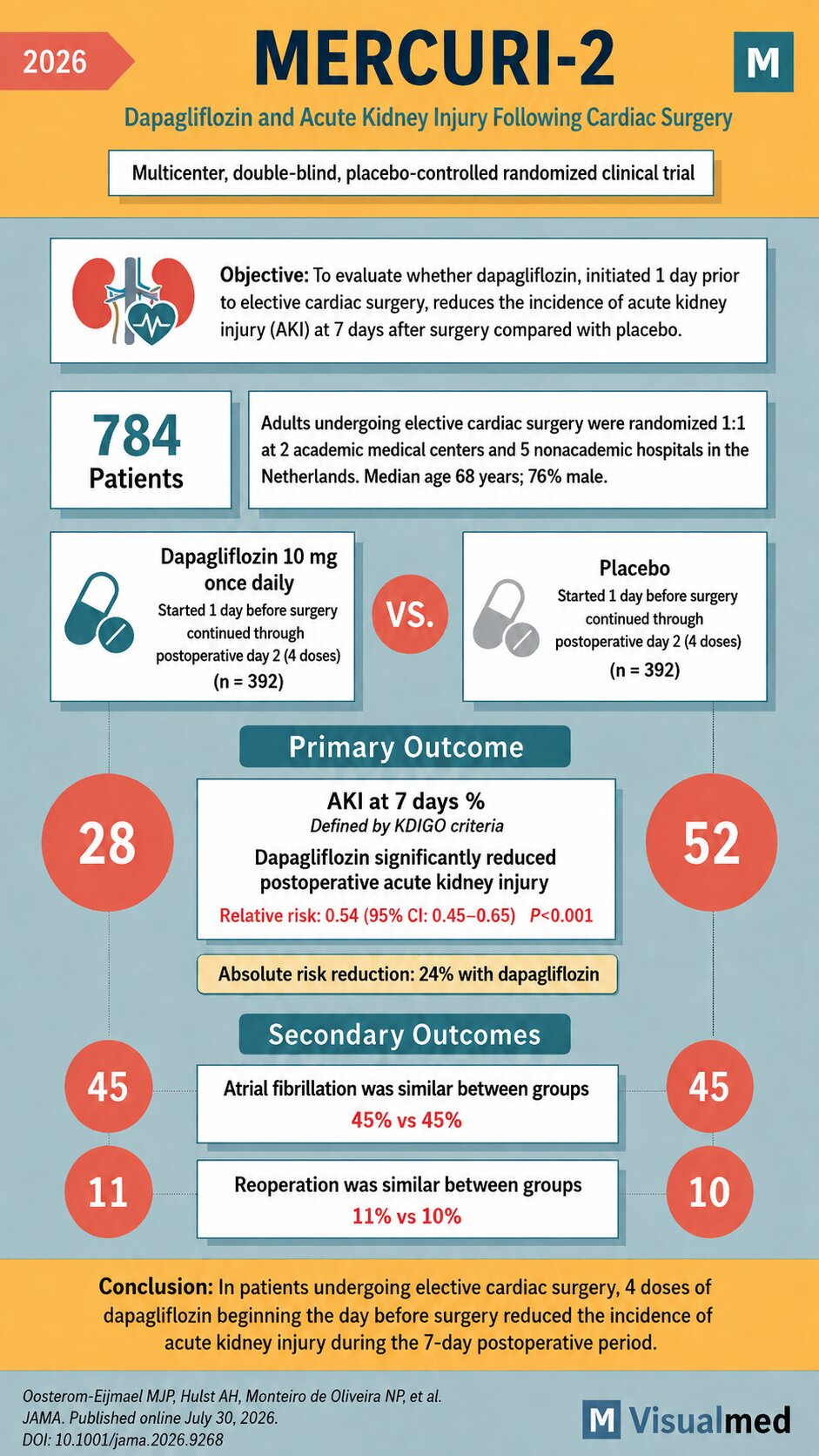
MERCURI-2 Trial: Dapagliflozin Dramatically Reduced AKI After Cardiac Surgery
Acute kidney injury remains one of the most frequent complications following cardiac surgery and is associated with prolonged hospitalization, greater morbidity, and worse long-term outcomes. Given the growing evidence that SGLT2 inhibitors have kidney-protective effects in chronic cardiovascular and renal disease, investigators have begun asking whether these benefits might extend into the perioperative setting. The…
-
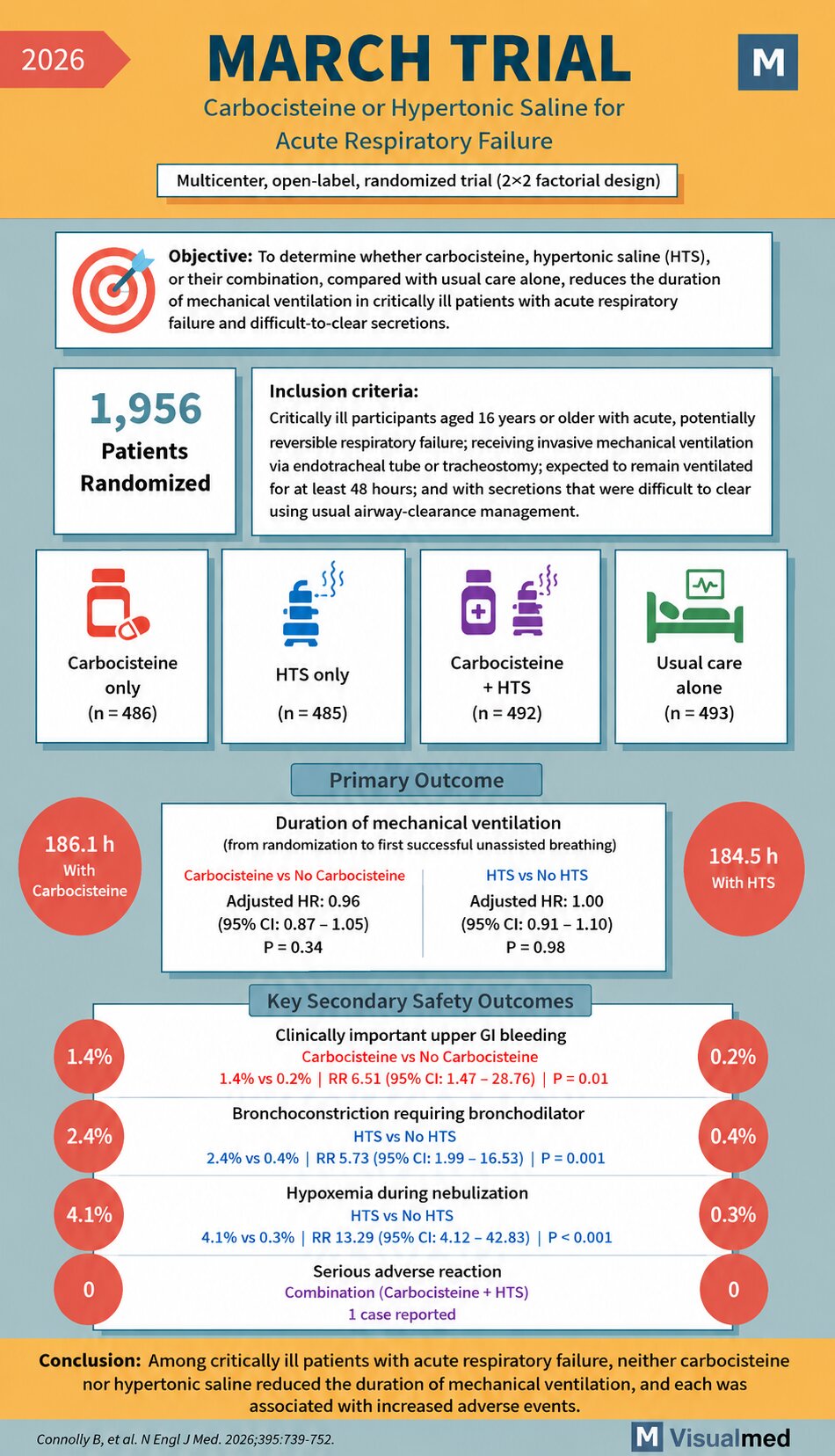
MARCH Trial: Carbocisteine and Hypertonic Saline in Acute Respiratory Failure
Patients receiving invasive mechanical ventilation frequently develop thick or difficult-to-clear respiratory secretions. Mucolytic agents such as carbocisteine and nebulized hypertonic saline are commonly considered to improve secretion clearance, but high-quality evidence supporting their routine use in critically ill ventilated patients has been limited. The MARCH trial, published in the New England Journal of Medicine in…
-
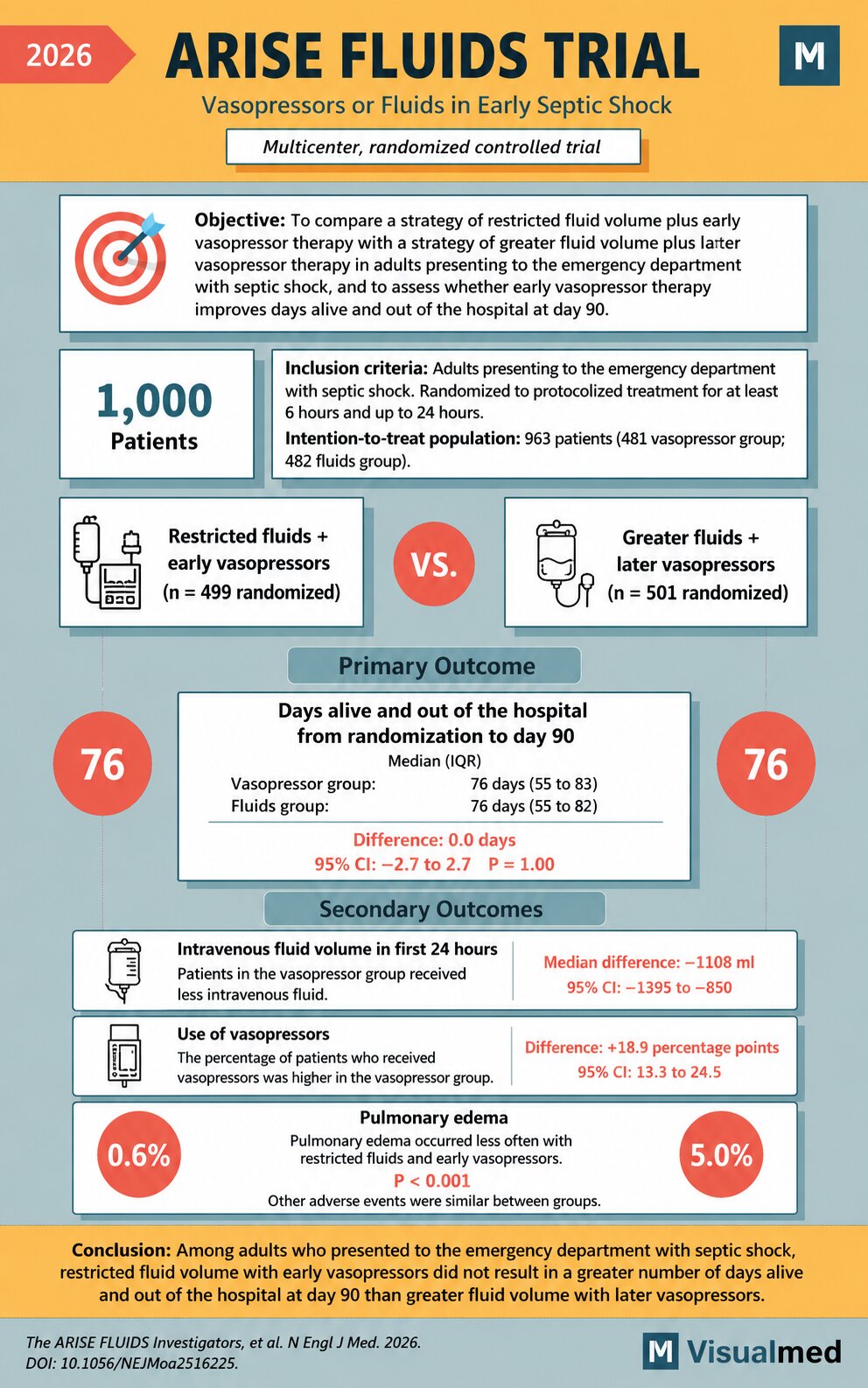
ARISE FLUIDS Trial: Early Vasopressors vs More Fluids in Septic Shock
For decades, intravenous fluids have been a cornerstone of early septic shock management. However, growing concern about fluid overload has led clinicians to question whether vasopressors should be started earlier, allowing patients to receive less intravenous fluid. The ARISE FLUIDS trial, published in the New England Journal of Medicine in 2026, directly tested these two…
-
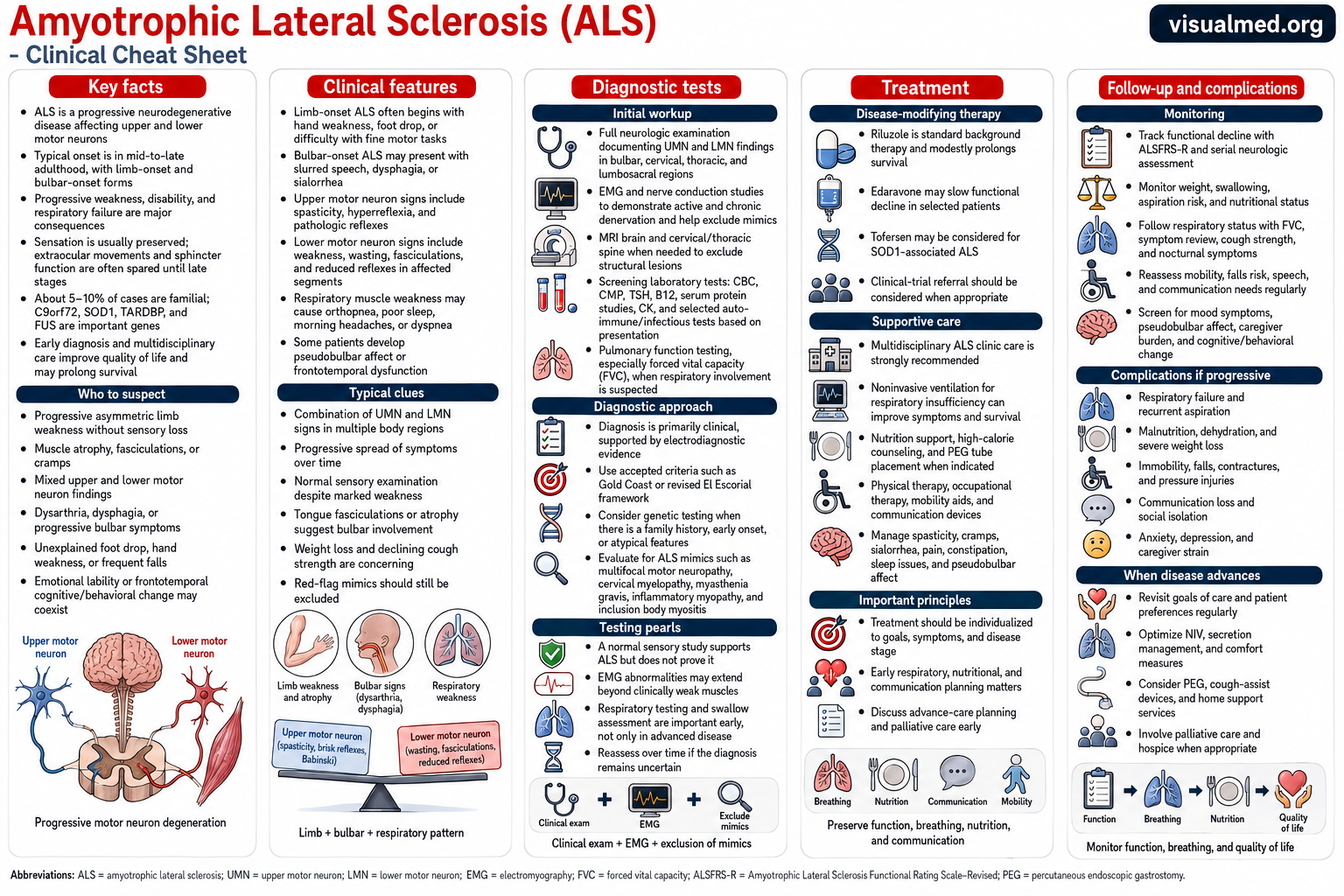
Amyotrophic Lateral Sclerosis (ALS): Clinical Features, Diagnosis, and Management
Amyotrophic lateral sclerosis (ALS) is a progressive neurodegenerative disorder that affects the motor neurons responsible for voluntary movement. Degeneration of both upper motor neurons (UMNs) and lower motor neurons (LMNs) leads to progressive muscle weakness, atrophy, impaired mobility, bulbar dysfunction, and eventually respiratory failure. Although ALS remains a life-limiting disease, earlier recognition, multidisciplinary care, respiratory…