
Cardiovascular Disease
-
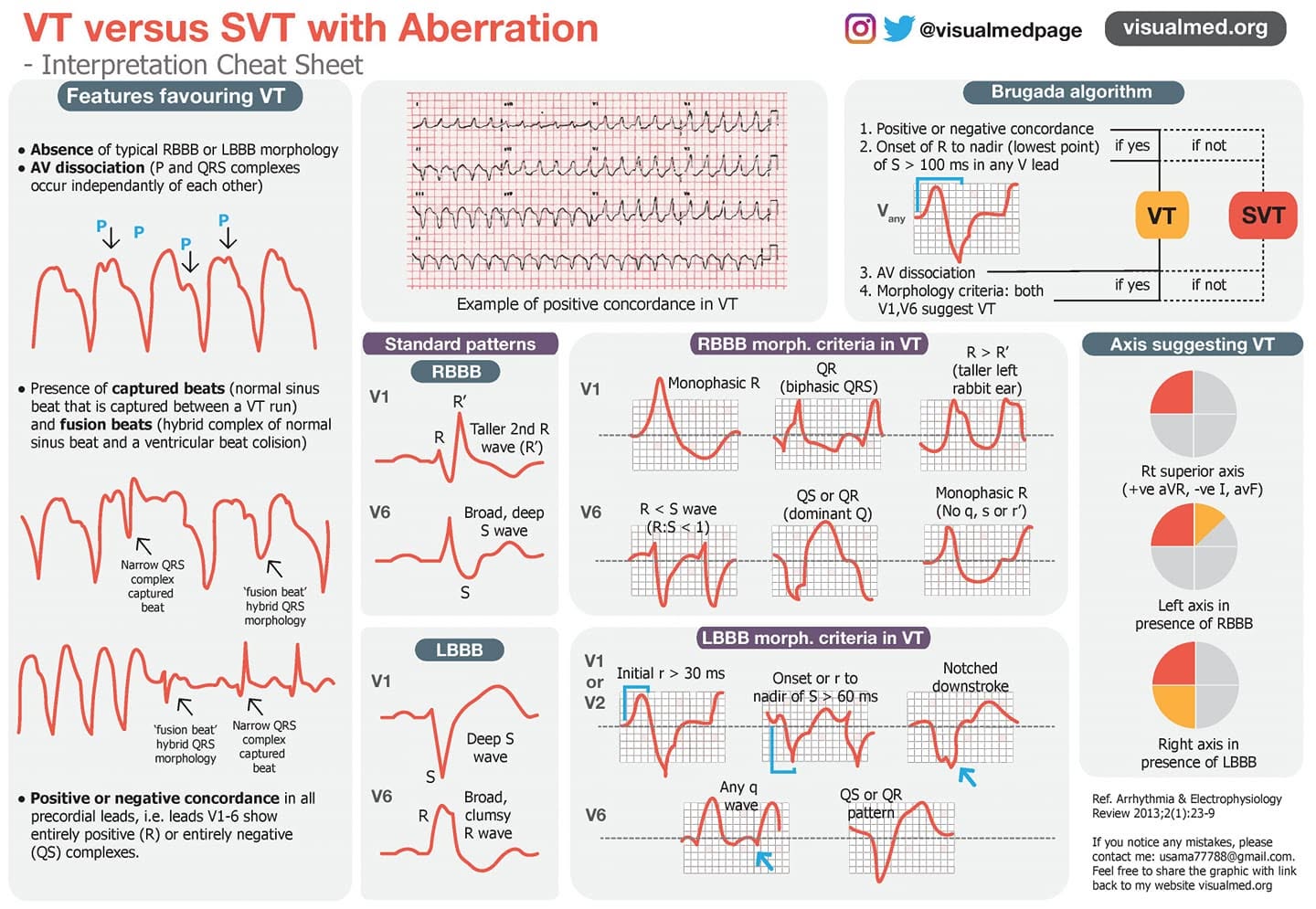
VT vs. SVT with Aberration: ECG Interpretation Cheat Sheet
Wide-complex tachycardia is one of the most important ECG patterns to recognize quickly. The key clinical question is simple: is this ventricular tachycardia, or is it supraventricular tachycardia with aberrant conduction? In practice, the safest rule is this: a regular wide-complex tachycardia should be treated as VT until proven otherwise, especially in an older patient…
-
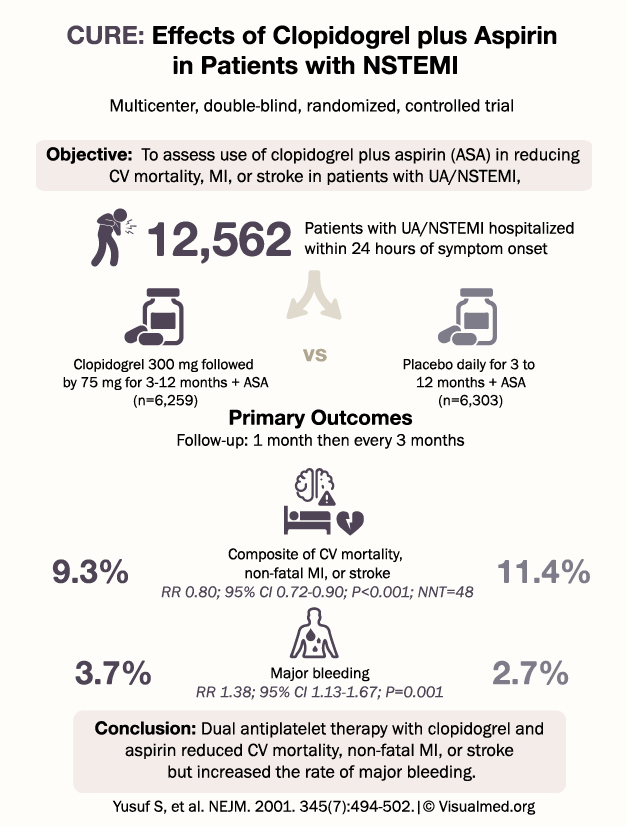
CURE Trial: Clopidogrel Plus Aspirin in Patients With NSTEMI/Unstable Angina
The CURE trial was a landmark randomized clinical trial that evaluated whether adding clopidogrel to aspirin improves outcomes in patients with non–ST-elevation acute coronary syndrome, including NSTEMI and unstable angina. The main finding was: clopidogrel plus aspirin reduced cardiovascular death, nonfatal MI, or stroke, but increased major bleeding. Background Patients with NSTEMI or unstable angina…
-
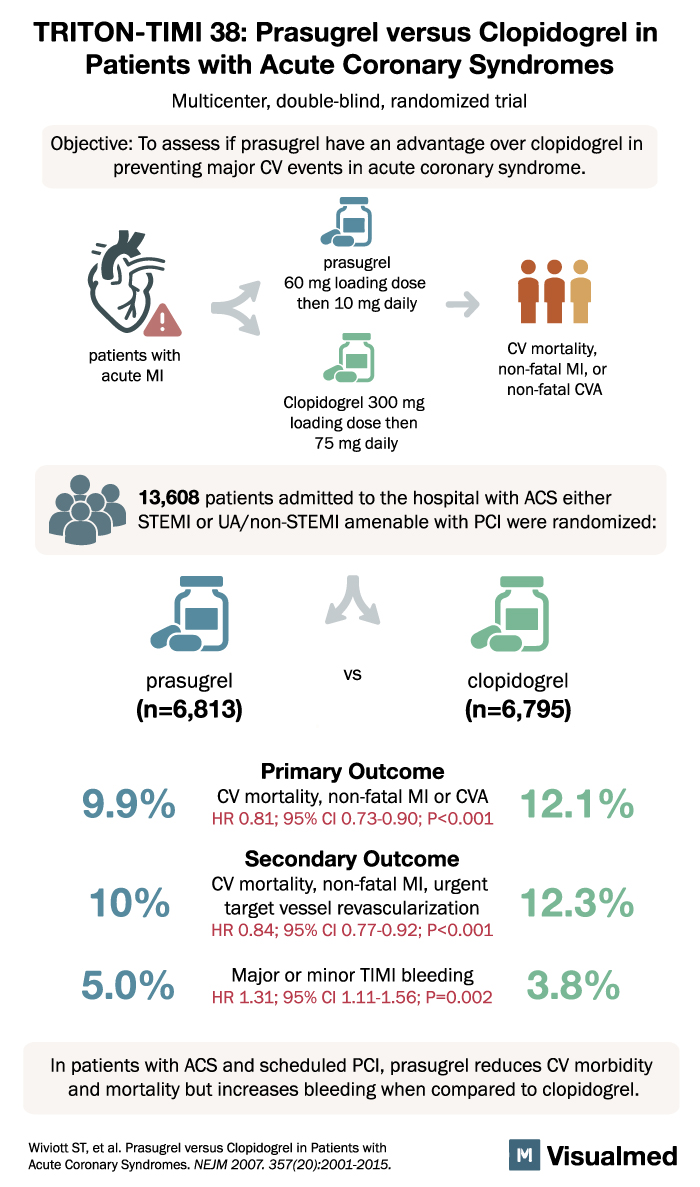
TRITON-TIMI 38 Trial: Prasugrel vs Clopidogrel in Acute Coronary Syndromes
The TRITON-TIMI 38 trial was a major randomized clinical trial comparing prasugrel with clopidogrel in patients with acute coronary syndrome who were scheduled to undergo PCI. The main finding was: prasugrel reduced ischemic cardiovascular events compared with clopidogrel, but increased bleeding risk. Background Patients with acute coronary syndrome are at high risk for recurrent cardiovascular…
-
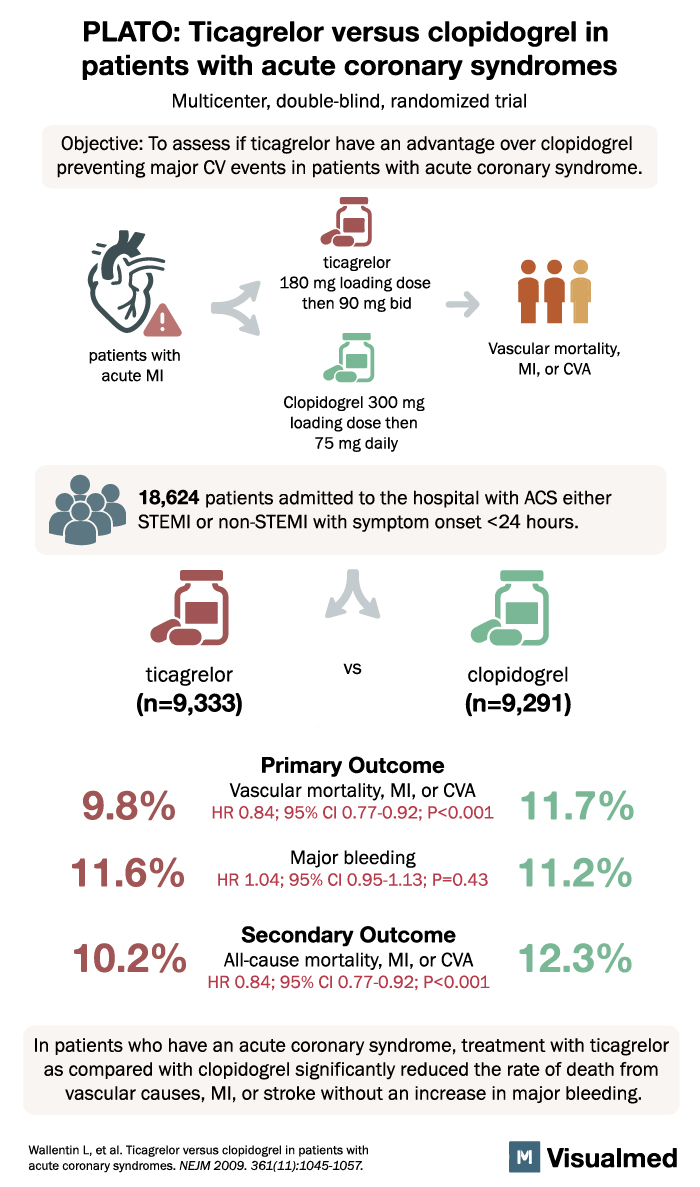
PLATO Trial: Ticagrelor vs Clopidogrel in Acute Coronary Syndromes
The PLATO trial was a landmark cardiovascular trial comparing ticagrelor with clopidogrel in patients presenting with acute coronary syndrome. The main finding was clear: ticagrelor reduced cardiovascular death, myocardial infarction, or stroke compared with clopidogrel, without a significant increase in major bleeding. Background Patients with acute coronary syndrome, including STEMI and non-STEMI, are at high…
-
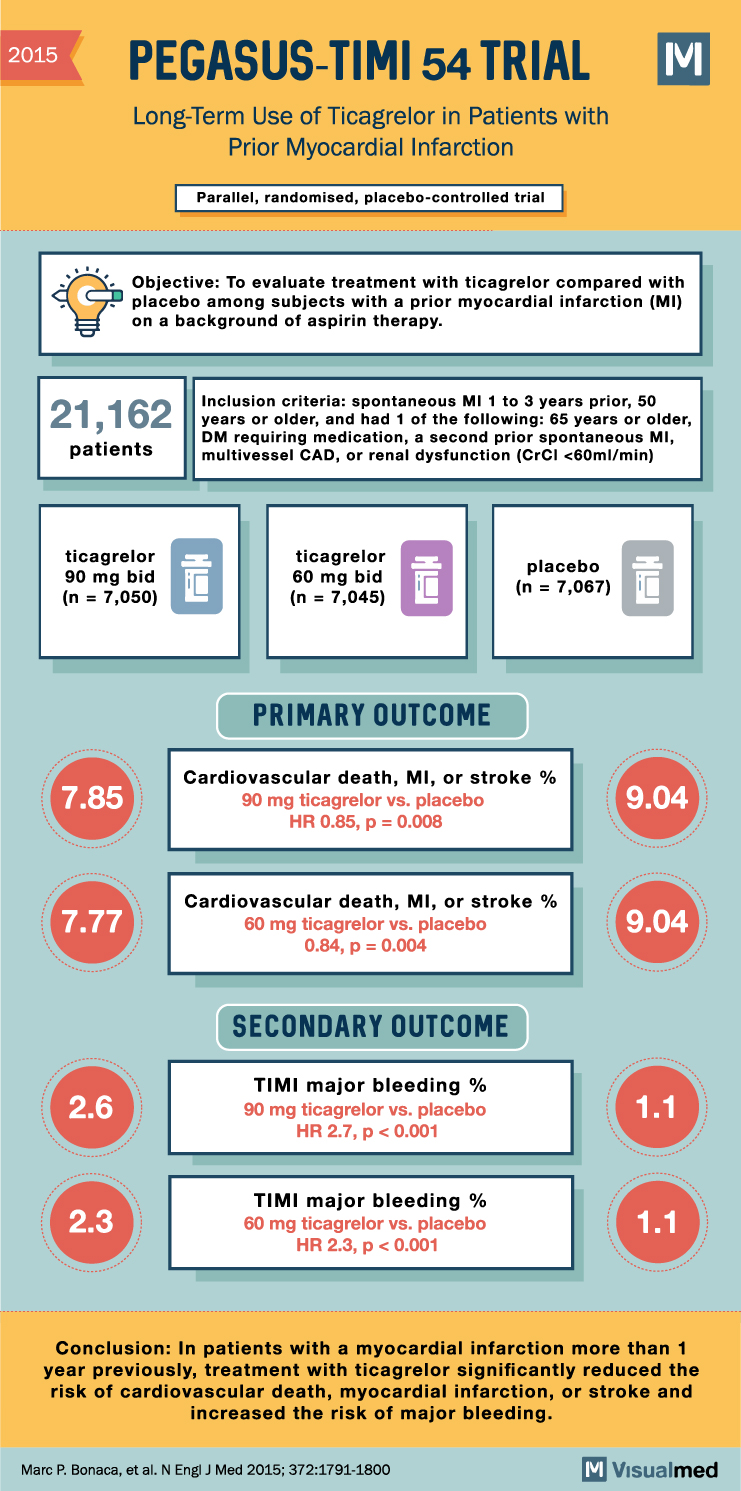
PEGASUS-TIMI 54 Trial: Long-Term Ticagrelor After Prior Myocardial Infarction
The PEGASUS-TIMI 54 trial was a major randomized clinical trial that evaluated whether long-term treatment with ticagrelor, added to aspirin, reduces cardiovascular events in patients with a prior myocardial infarction. The key finding was straightforward: ticagrelor reduced cardiovascular death, myocardial infarction, or stroke, but increased major bleeding. Background Patients who have had a myocardial infarction…
-
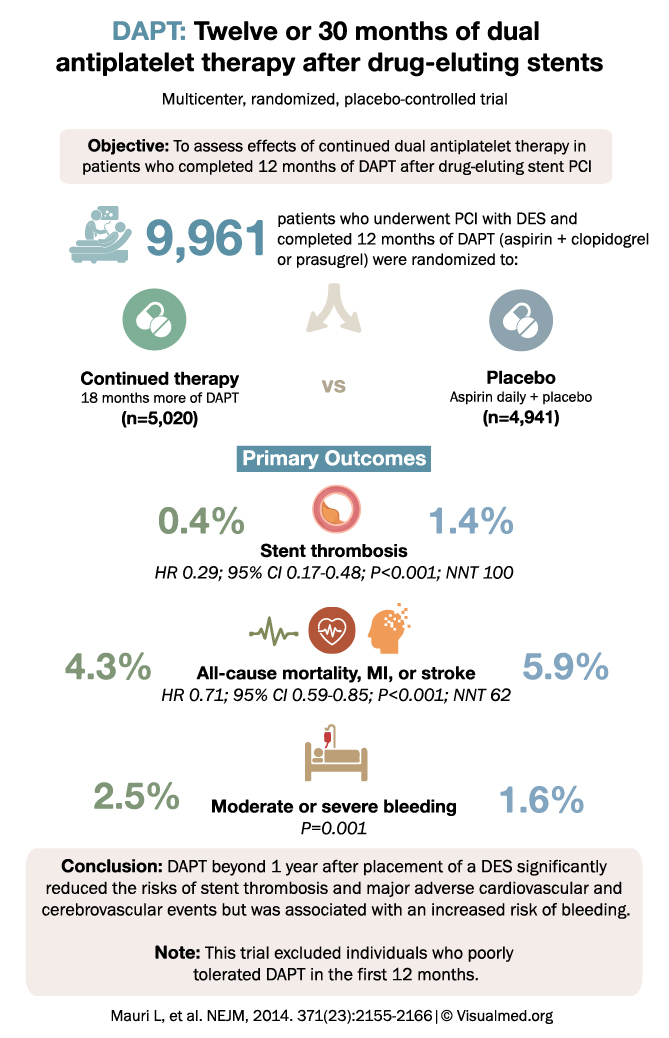
DAPT Trial: Twelve vs 30 Months of DAPT After DES
The DAPT trial was a major randomized clinical trial that evaluated whether extending dual antiplatelet therapy beyond 12 months after drug-eluting stent placement improves cardiovascular outcomes. The trial showed that continued dual antiplatelet therapy reduced stent thrombosis and major adverse cardiovascular and cerebrovascular events, but this benefit came at the cost of increased bleeding. Background…
-
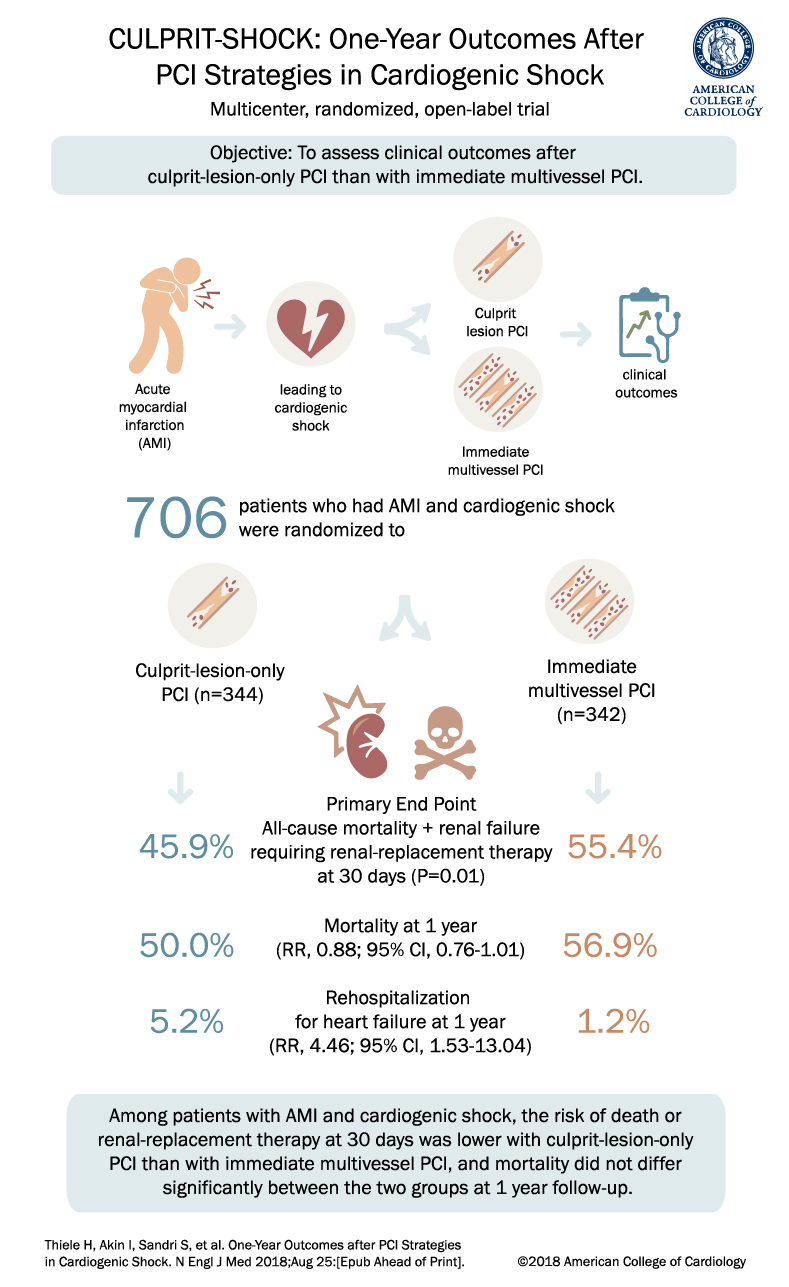
CULPRIT-SHOCK Trial: Culprit-Lesion-Only PCI vs Immediate Multivessel PCI in Cardiogenic Shock
The CULPRIT-SHOCK trial was an important randomized clinical trial that changed how interventional cardiologists think about PCI strategy in patients with acute myocardial infarction complicated by cardiogenic shock. The main finding was clinically important: in patients with AMI and cardiogenic shock, culprit-lesion-only PCI had better early outcomes than immediate multivessel PCI. Background Patients with acute…
-
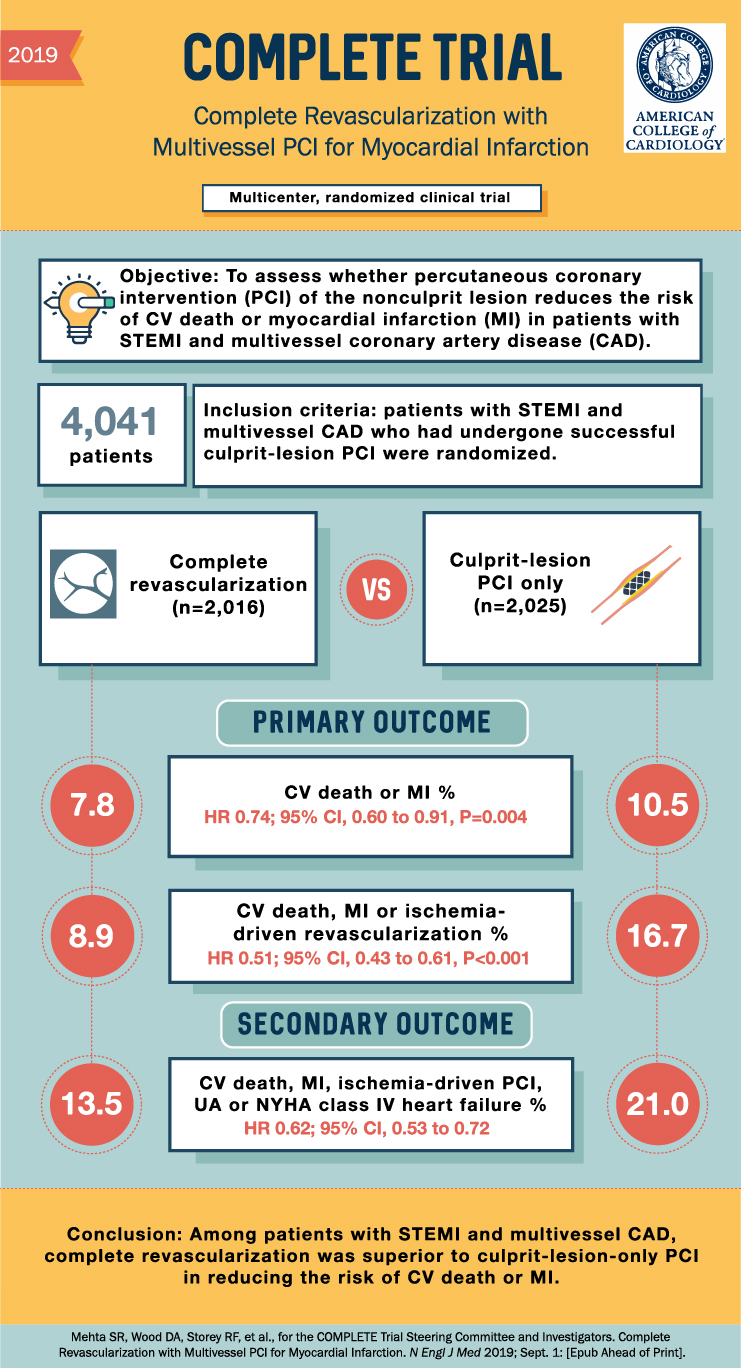
COMPLETE Trial: Complete Revascularization After STEMI With Multivessel CAD
The COMPLETE trial was a landmark randomized clinical trial that evaluated whether patients with ST-segment elevation myocardial infarction (STEMI) and multivessel coronary artery disease benefit from complete revascularization rather than treating only the culprit lesion. The key finding was clear: complete revascularization with multivessel PCI reduced major cardiovascular events compared with culprit-lesion-only PCI. Background In…
-
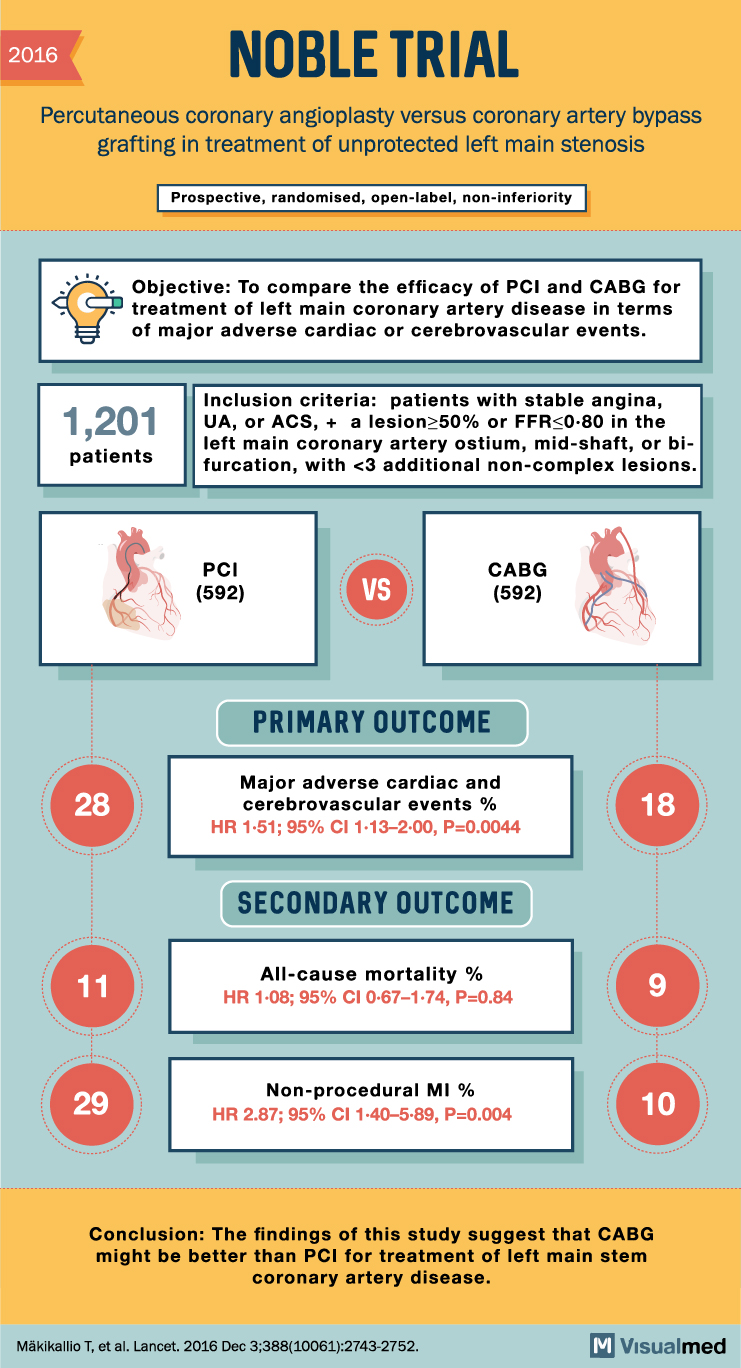
NOBLE Trial: PCI vs CABG for Unprotected Left Main Coronary Artery Disease
Introduction The NOBLE trial was an important randomized clinical trial comparing percutaneous coronary intervention (PCI) with coronary artery bypass grafting (CABG) in patients with unprotected left main coronary artery disease. Left main coronary artery disease is clinically important because the left main artery supplies a large portion of the myocardium. Revascularization is usually required, but…