
Neurology
-
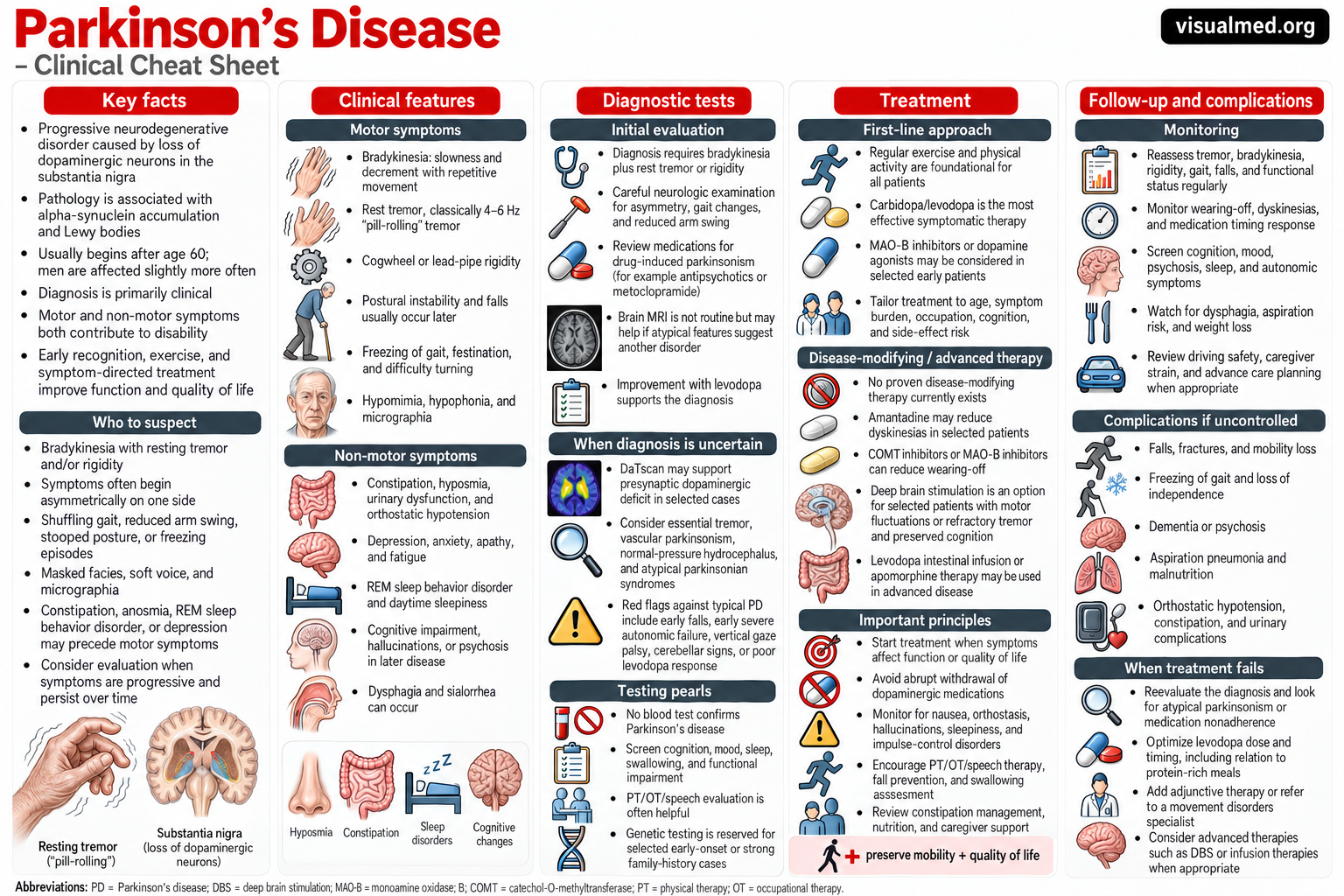
Parkinson’s Disease: Symptoms, Diagnosis, Treatment, and Long-Term Management
Parkinson’s disease is a progressive neurologic disorder that primarily affects movement, but its effects extend well beyond tremor and stiffness. Patients may develop changes in sleep, mood, cognition, digestion, blood pressure regulation, speech, and swallowing. The disease develops mainly because of progressive loss of dopamine-producing neurons in a region of the brain called the substantia…
-
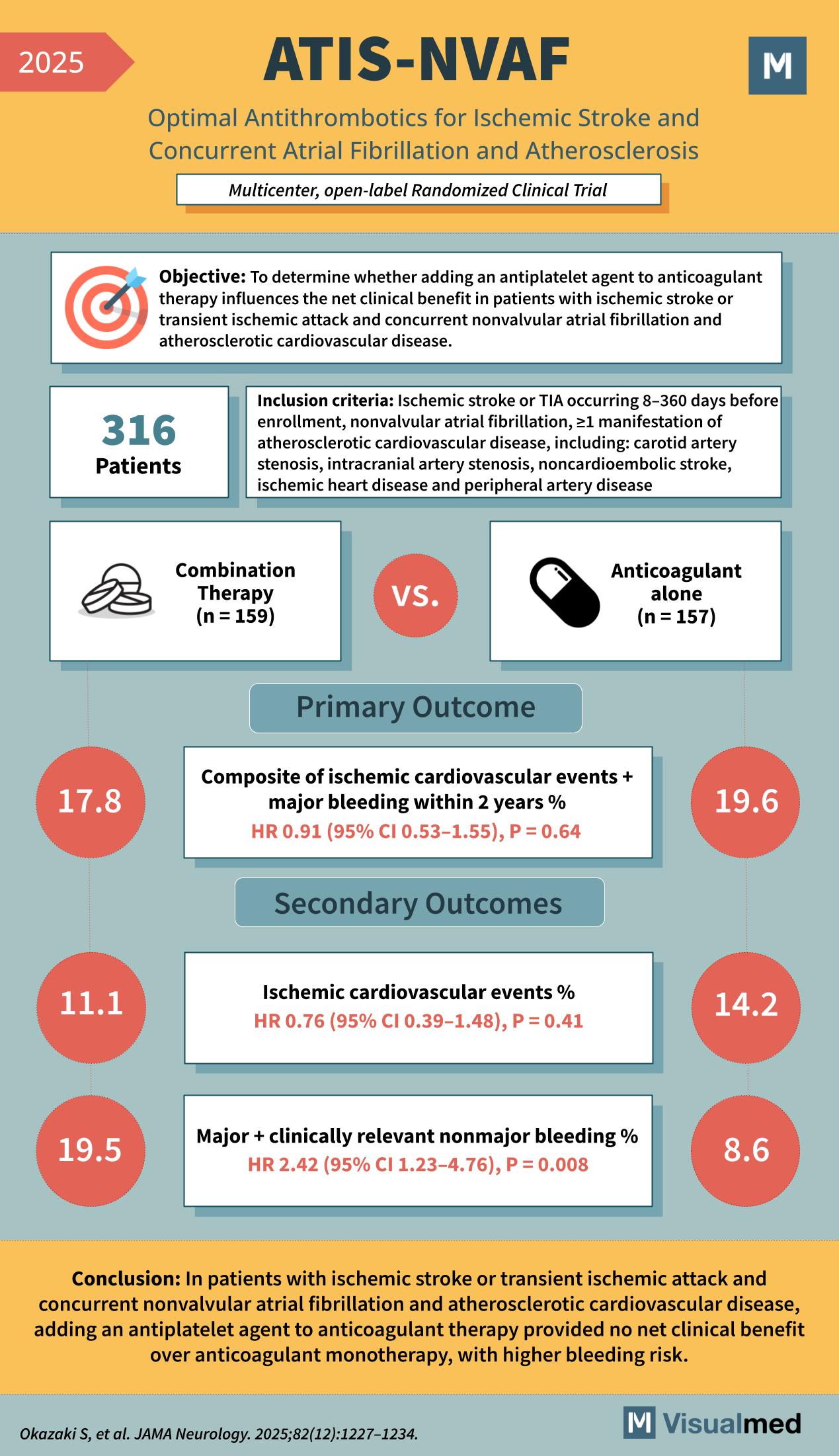
ATIS-NVAF Trial: Antiplatelet + Anticoagulation After Ischemic Stroke in Patients With AFib
Patients with atrial fibrillation who experience an ischemic stroke are typically treated with oral anticoagulation to reduce the risk of recurrent cardioembolic events. However, management becomes more complicated when the same patient also has significant atherosclerotic cardiovascular disease. Could adding an antiplatelet agent to anticoagulation provide additional protection against recurrent ischemic events? The ATIS-NVAF trial…
-
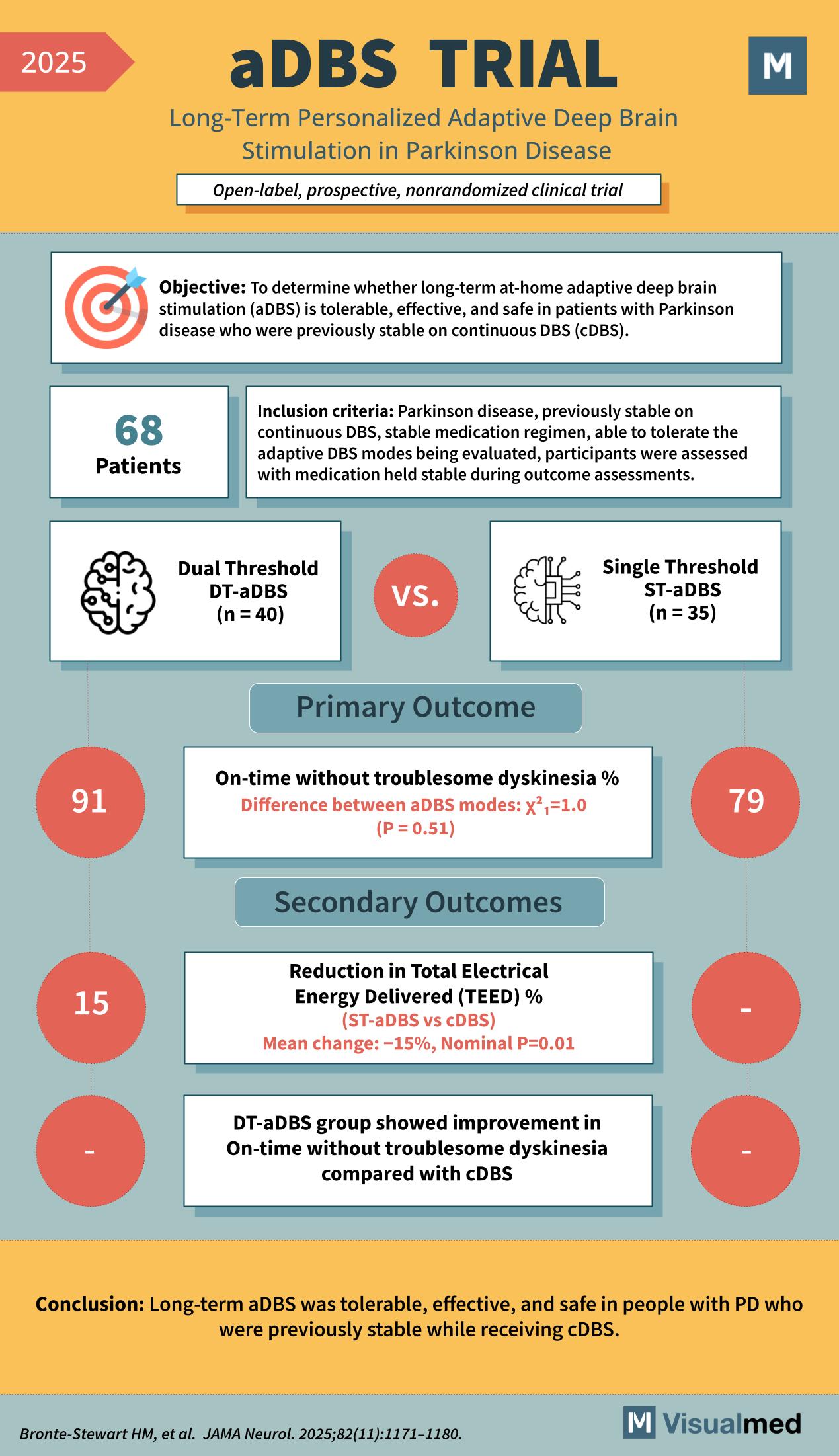
Adaptive Deep Brain Stimulation for Parkinson Disease: ADAPT-PD Trial
Deep brain stimulation (DBS) is an established therapy for patients with Parkinson disease (PD) whose symptoms are inadequately controlled with medication. Conventional DBS, however, generally delivers stimulation continuously at a fixed programmed amplitude—even though Parkinson symptoms and underlying brain activity fluctuate throughout the day. The ADAPT-PD trial, published in JAMA Neurology in 2025, evaluated whether…
-
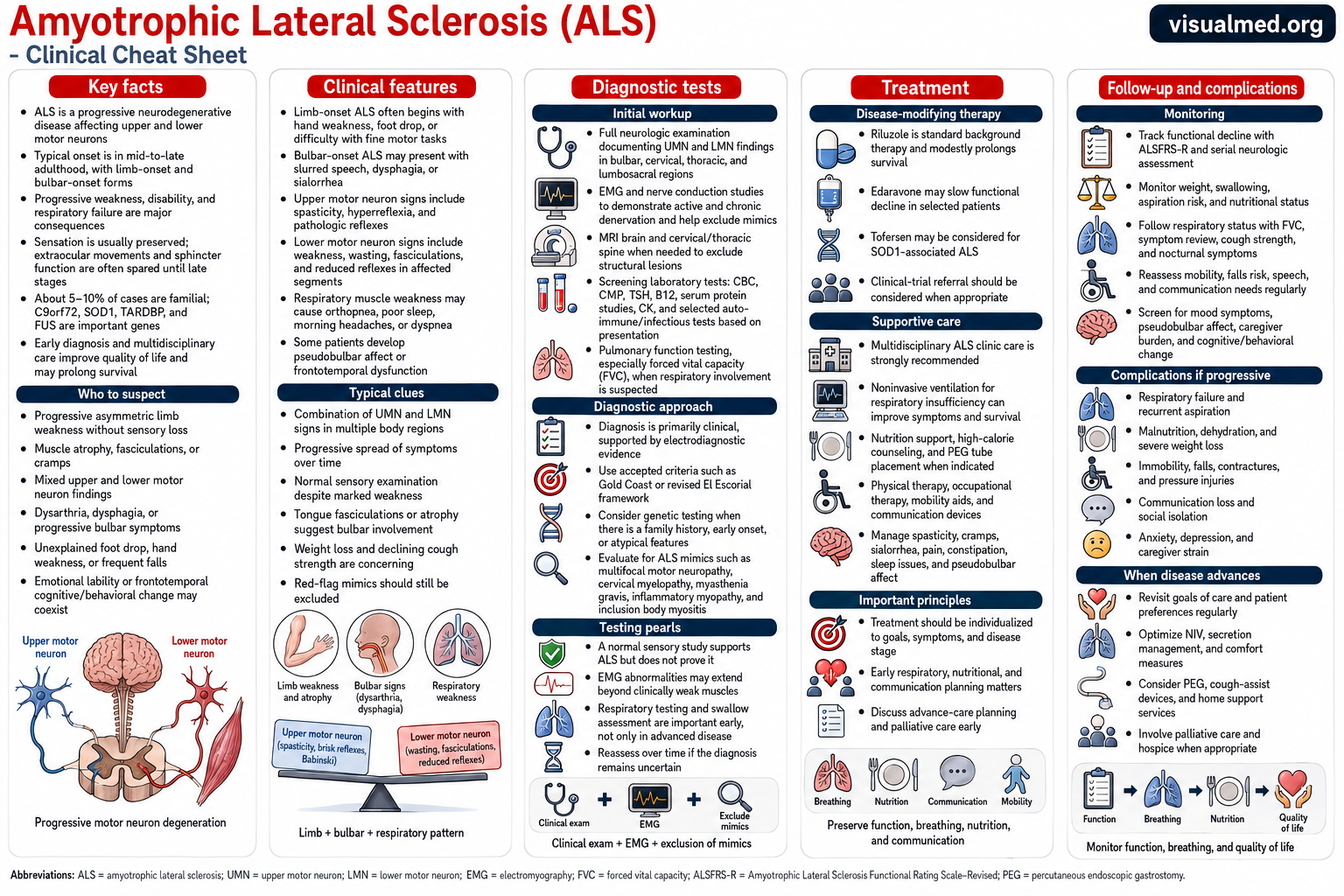
Amyotrophic Lateral Sclerosis (ALS): Clinical Features, Diagnosis, and Management
Amyotrophic lateral sclerosis (ALS) is a progressive neurodegenerative disorder that affects the motor neurons responsible for voluntary movement. Degeneration of both upper motor neurons (UMNs) and lower motor neurons (LMNs) leads to progressive muscle weakness, atrophy, impaired mobility, bulbar dysfunction, and eventually respiratory failure. Although ALS remains a life-limiting disease, earlier recognition, multidisciplinary care, respiratory…
-
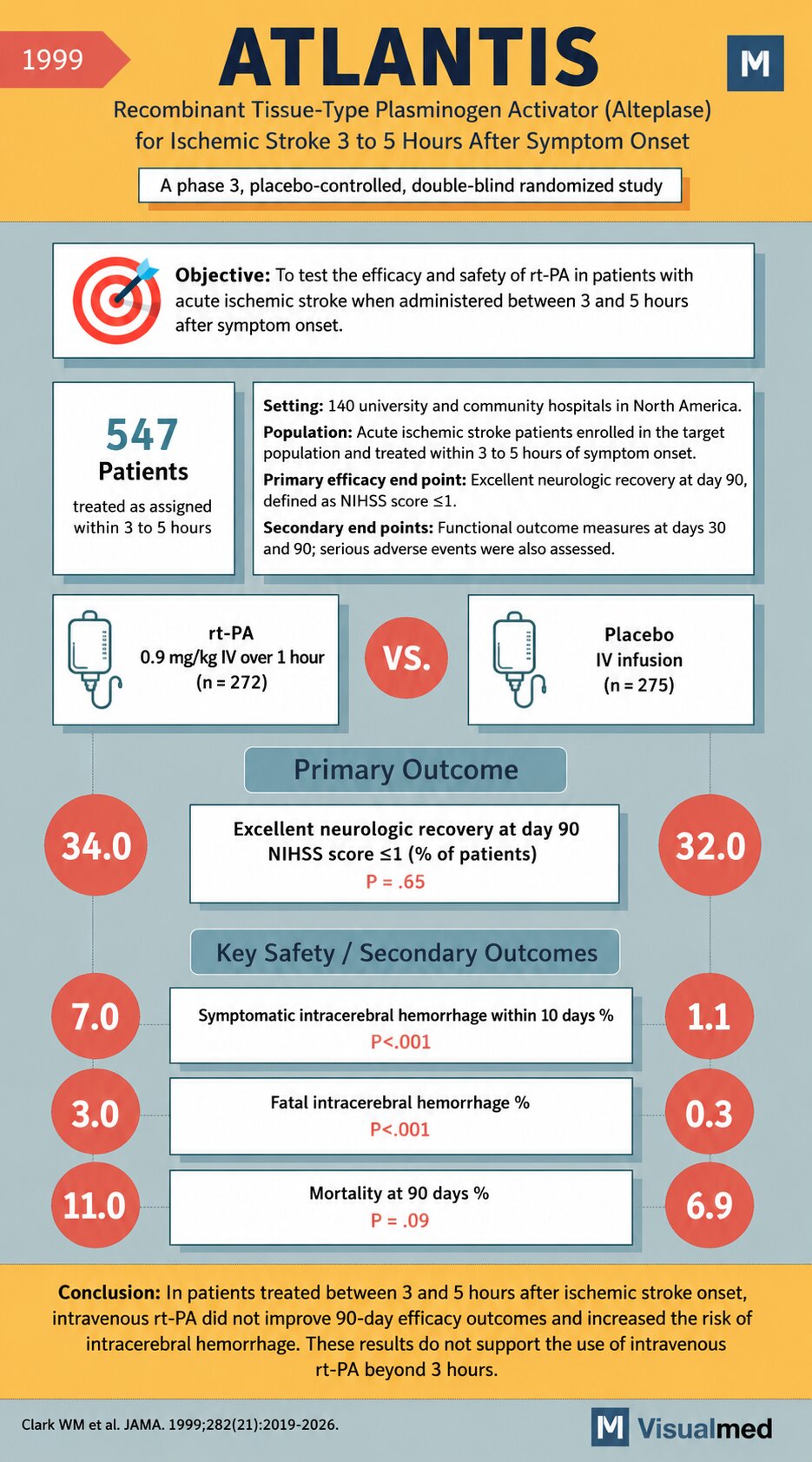
ATLANTIS Trial: Alteplase for Ischemic Stroke 3–5 Hours After Symptom Onset
The ATLANTIS trial, published in JAMA in 1999, evaluated whether intravenous recombinant tissue-type plasminogen activator, also known as rt-PA or alteplase, improves outcomes in patients with acute ischemic stroke when given 3 to 5 hours after symptom onset. At the time, thrombolysis had already shown benefit when administered early after ischemic stroke. ATLANTIS asked an…