
Nephrology
-
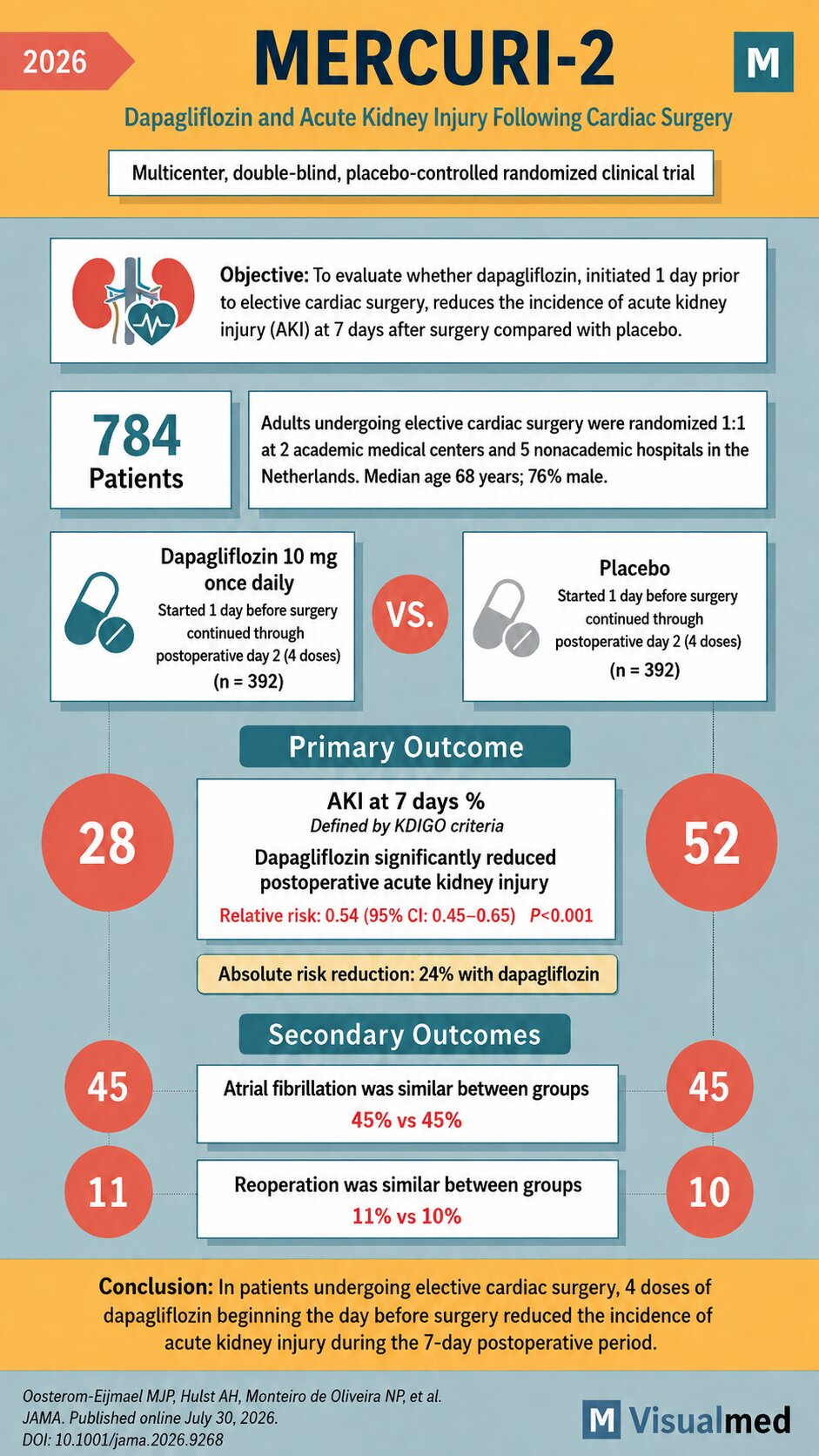
MERCURI-2 Trial: Dapagliflozin Dramatically Reduced AKI After Cardiac Surgery
Acute kidney injury remains one of the most frequent complications following cardiac surgery and is associated with prolonged hospitalization, greater morbidity, and worse long-term outcomes. Given the growing evidence that SGLT2 inhibitors have kidney-protective effects in chronic cardiovascular and renal disease, investigators have begun asking whether these benefits might extend into the perioperative setting. The…
-
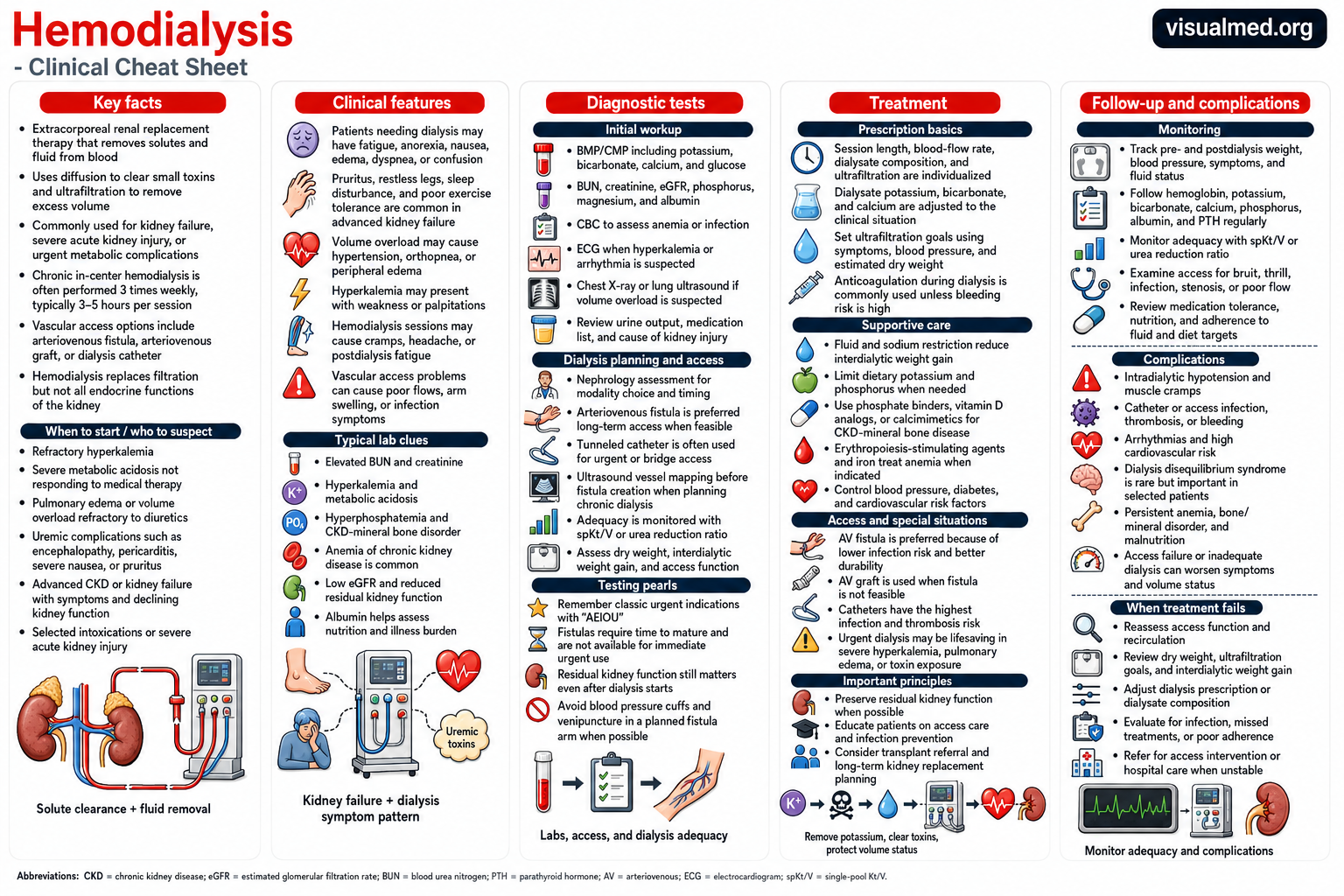
Hemodialysis: Indications, Prescription, Vascular Access, and Clinical Monitoring
Hemodialysis is an extracorporeal kidney replacement therapy that removes accumulated solutes and excess extracellular fluid while correcting selected electrolyte and acid-base abnormalities. Blood is circulated through a dialyzer containing a semipermeable membrane, across which solutes are cleared primarily by diffusion and fluid is removed by ultrafiltration. Although conventional maintenance hemodialysis is often delivered three times…
-
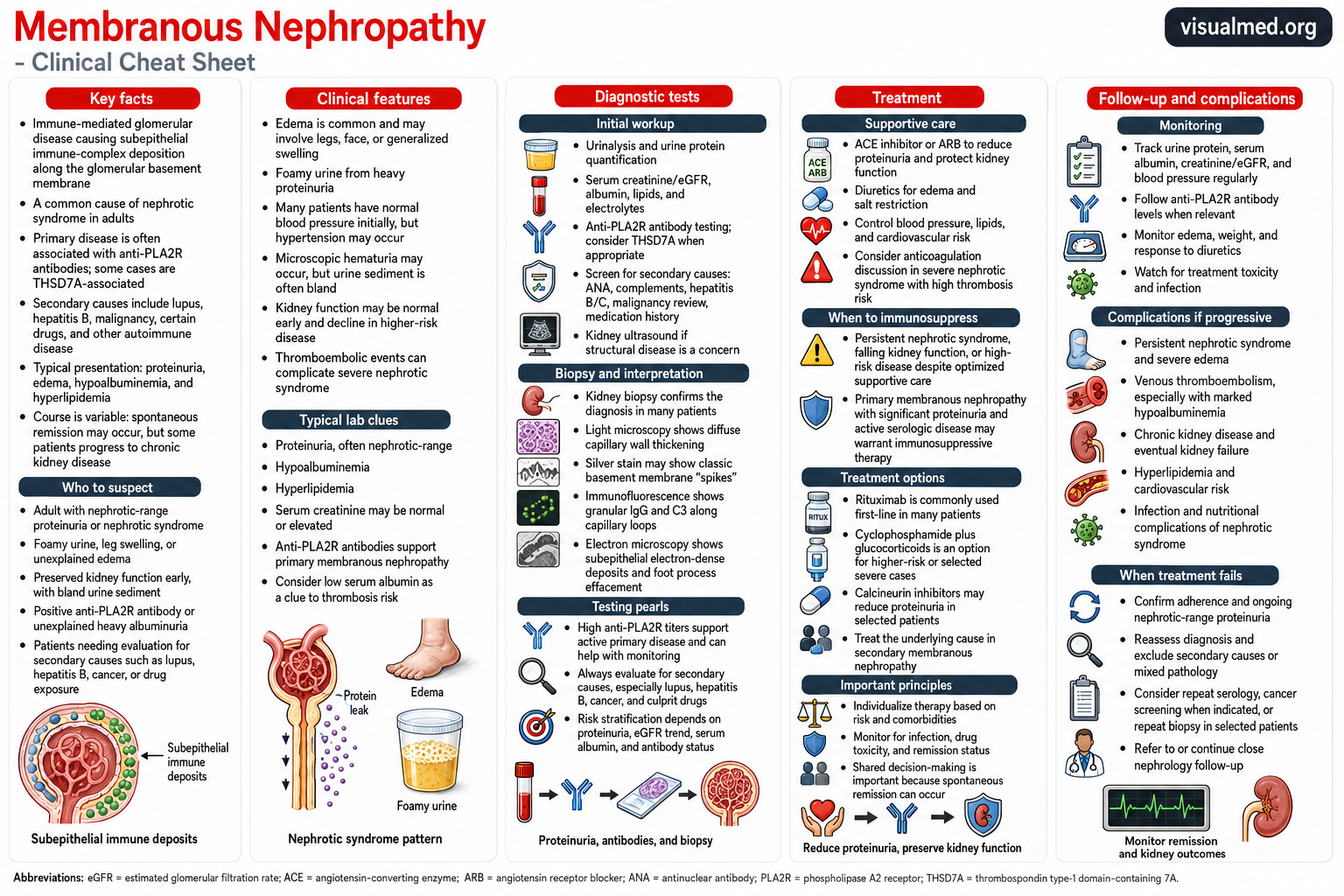
Membranous Nephropathy: Symptoms, Diagnosis, Treatment Cheat Sheet
Membranous nephropathy is an immune-mediated disease of the glomeruli—the microscopic filtering units of the kidneys. It develops when antibodies and other immune components accumulate along the outer surface of the glomerular basement membrane, damaging the filtration barrier and allowing large amounts of protein to escape into the urine. The disease is an important cause of…
-
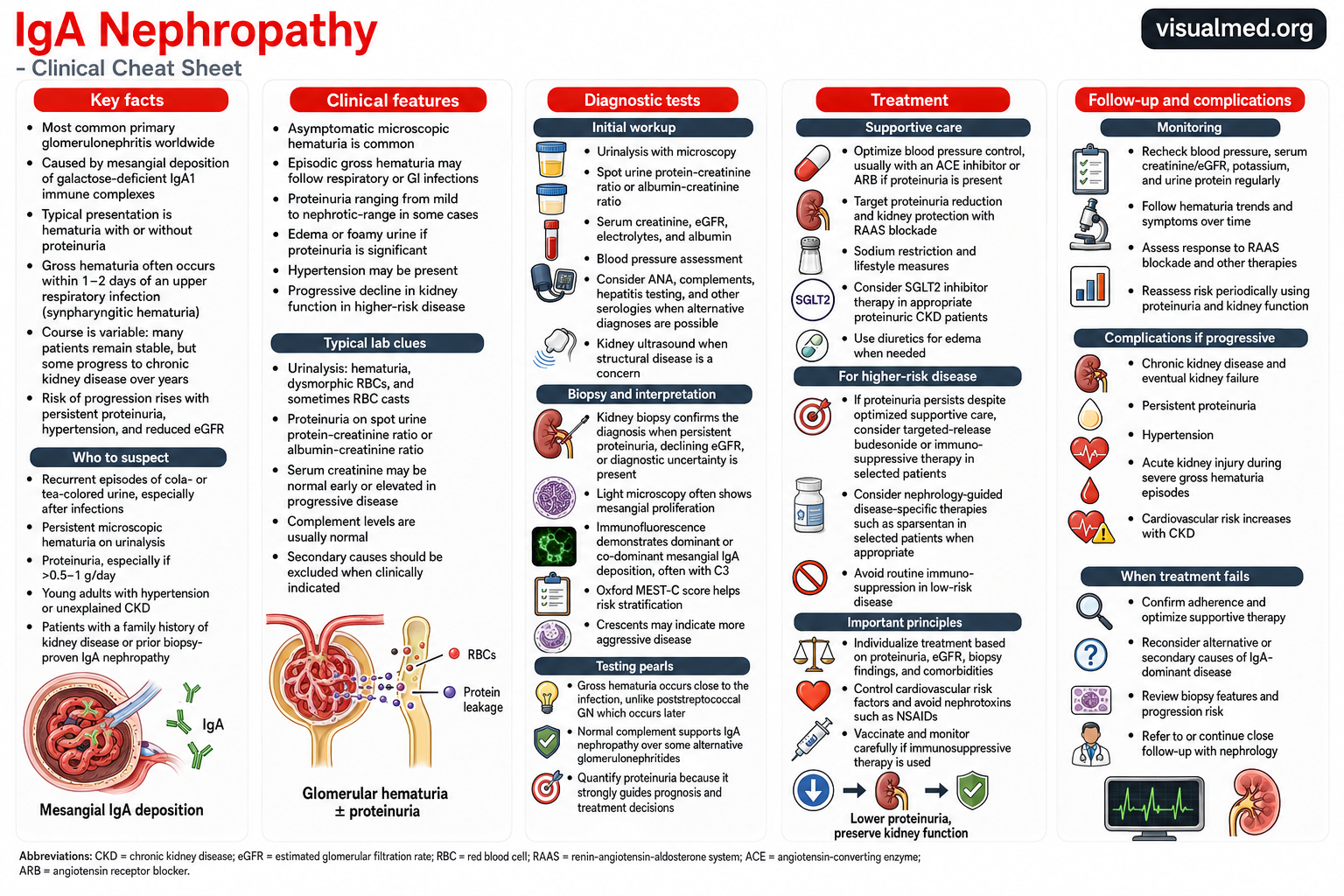
IgA Nephropathy: Clinical Features, Diagnosis, and Treatment
IgA nephropathy, also called Berger disease, is an immune-mediated glomerular disease caused by the accumulation of immunoglobulin A–containing immune complexes within the kidney’s filtering units. It is among the most common primary glomerular diseases worldwide and can range from an incidental urinary abnormality to progressive chronic kidney disease and kidney failure. Although many patients remain…
-
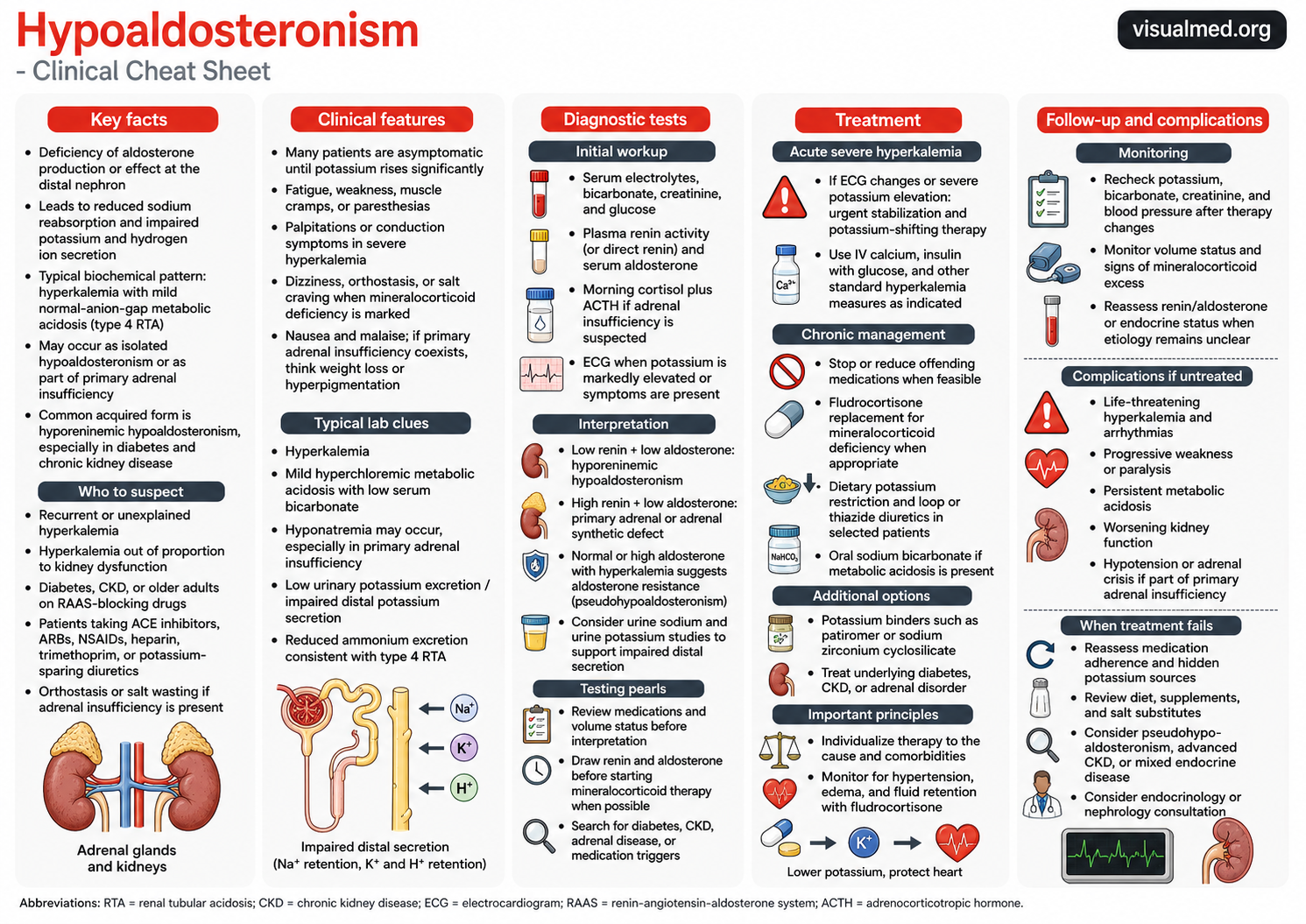
Hypoaldosteronism: Clinical Cheat Sheet
What is hypoaldosteronism? Hypoaldosteronism is a condition in which aldosterone production or aldosterone effect is reduced. Aldosterone normally acts at the distal nephron to promote sodium reabsorption and potassium and hydrogen ion secretion. When aldosterone is deficient or ineffective, patients can develop hyperkalemia and a mild normal-anion-gap metabolic acidosis, often described as type 4 renal…
-
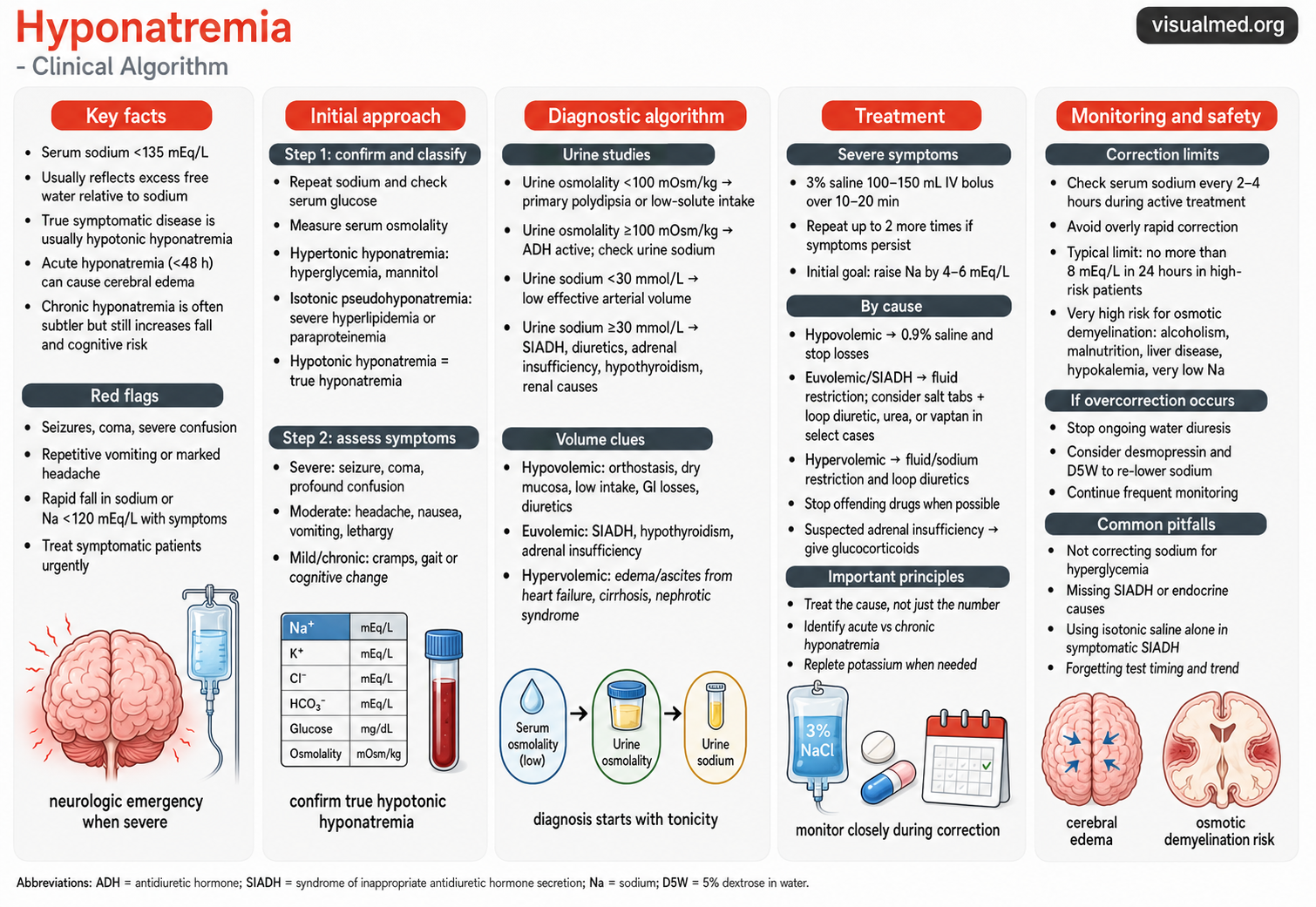
Hyponatremia: Clinical Algorithm for Diagnosis and Treatment
Hyponatremia is usually defined as a serum sodium concentration below 135 mEq/L and is one of the most common electrolyte abnormalities encountered in clinical practice. The key concept is that hyponatremia usually reflects excess water relative to sodium, not simply a “sodium deficiency.” The danger is not just the number itself, but the speed of…
-
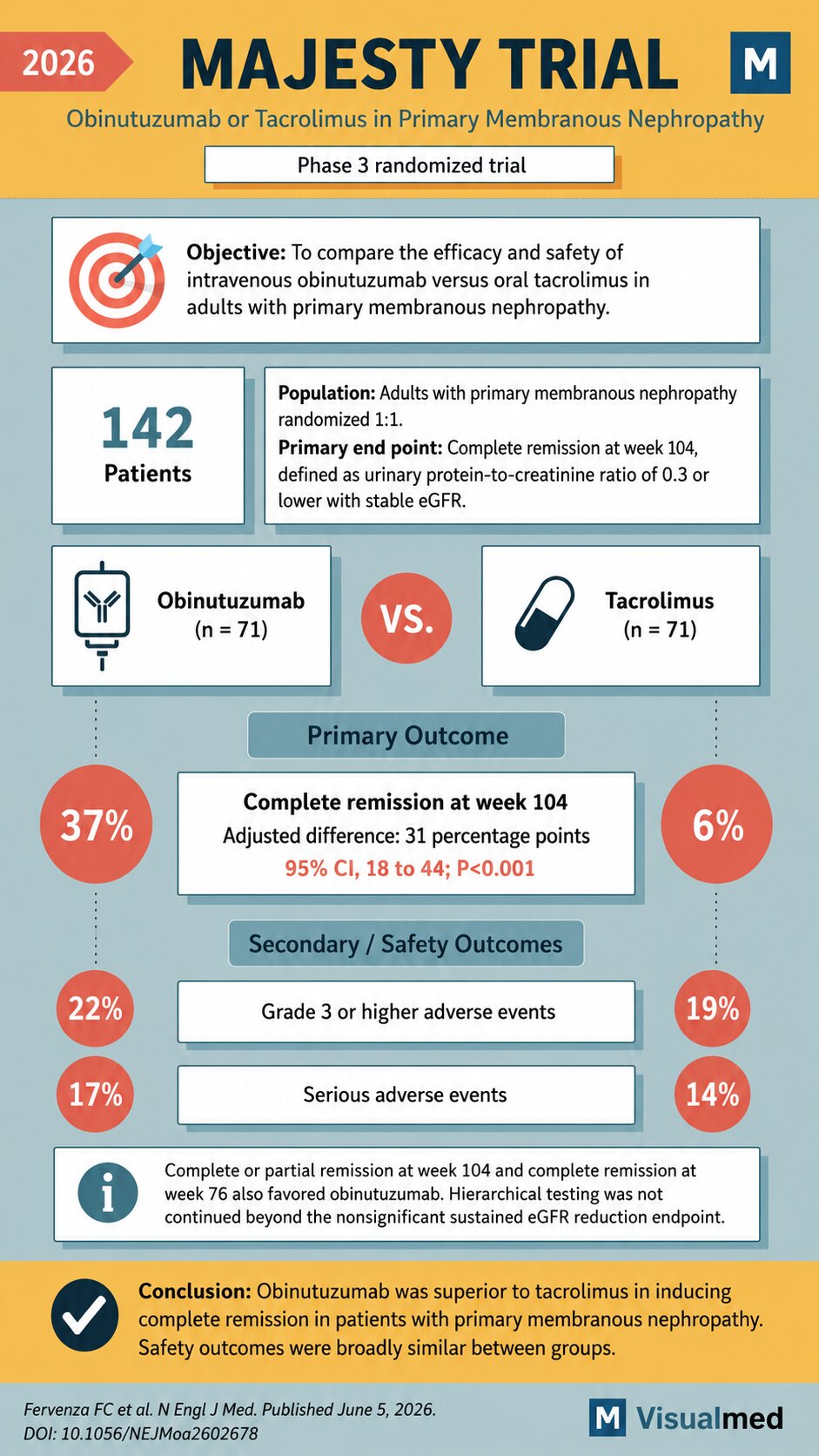
MAJESTY Trial: Obinutuzumab vs Tacrolimus in Primary Membranous Nephropathy
Primary membranous nephropathy is an immune-mediated glomerular disease and a major cause of nephrotic syndrome in adults. Treatment often aims to reduce proteinuria, preserve kidney function, and achieve durable remission while minimizing drug toxicity. Calcineurin inhibitors such as tacrolimus can reduce proteinuria, but relapse and long-term kidney safety remain important concerns. The MAJESTY Trial evaluated…